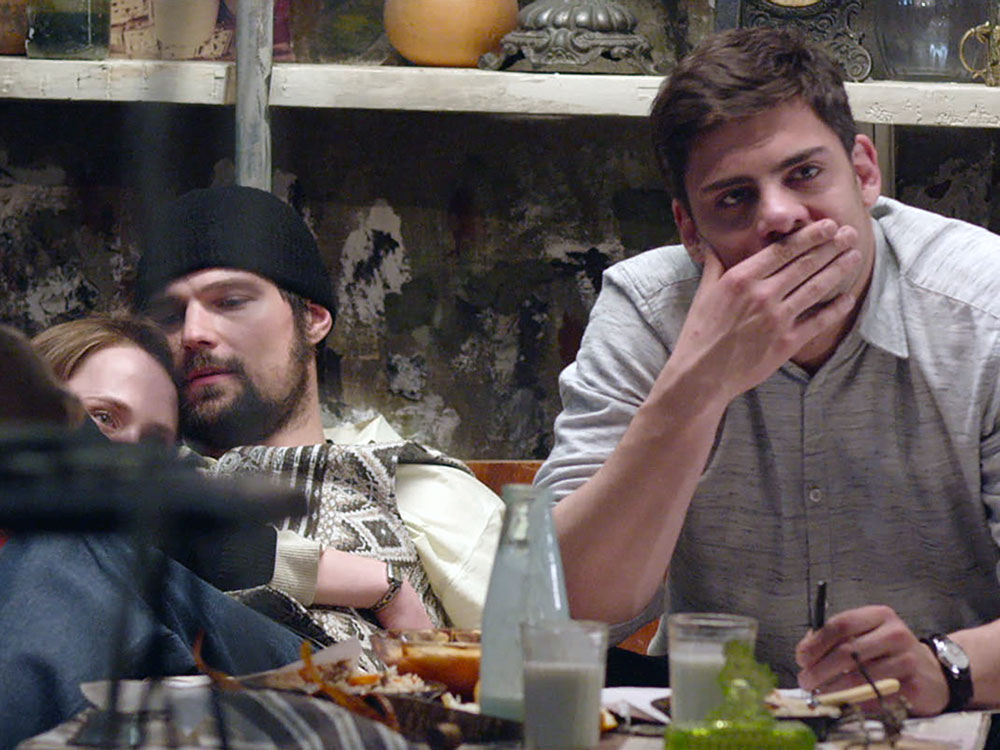
2 December – 19 December 2026

"Nothing about him is orthodox." — Claire Denis
"This is the essence of Stévenin’s dual status as filmmaker and actor. France is seen both from the outside — through Stévenin’s 'American’ gaze, filming his country as an unlimited space, open to all possibilities — and from the inside, as a reservoir of energies, often contradictory, typically French, which are perfectly encapsulated by the actor’s body and gestures." — Frédéric Majour
A karate-trained, motorcycle-riding, wild man from the Jura, Jean-François Stévenin was a singular presence in French cinema. Inspired in equal parts by John Cassavetes and Louis-Ferdinand Céline, he was one of the most distinctive character actors of the late-20th century and the director of three unclassifiable masterpieces, which have since circulated among cinephiles "as passwords, secrets too well kept" (Murielle Joudet). This series presents the UK public premieres of Stévenin’s inimitable films alongside the American films that shaped his unique sensibility and three of his greatest performances in films by other directors.
After a stint in Cuba, Stévenin entered the film industry as an assistant on the set of films by Alain Cavalier, François Truffaut, Jacques Rozier, and Jacques Rivette. Almost immediately, this restive, stocky man from the provinces was called to the screen; his memorable early appearance in Out 1 came about after Juliet Berto noted his resemblance to Marlon Brando. Distinguished by his eccentric physicality and strange combination of coarseness and boyish vulnerability, Stévenin was subsequently sought out to play minor but crucial roles in films by everyone from John Huston to Catherine Breillat.
A working actor all his life, Stévenin directed three films, each roughly a decade apart and each a veritable UFO. If an earlier generation of French directors had taken inspiration from classic Hollywood, Stévenin’s obsessions lay with the renegade men of the seventies: Cassavetes, Monte Hellman, and John Boorman. Errant and enigmatic, Passe Montagne (1978), Double Messieurs (1986), and Mischka (2002) transpose the drifting narratives, behavioural acting, and mysterious ambience of his influences into the marginal corners of contemporary France. Shooting his films almost entirely in long sequence shots so as to retain the continuity and energy of the performances, Stévenin would then radically fracture the takes in the editing room to create a uniquely elliptical rhythm unlike anything seen before or since. Drawn to the experience of wandering off course, he was "less fascinated with the film than by the shoot, less concerned with art than with the human experience emanating from that particular moment." A cinema of the dérive, Stévenin’s films tremble with the energy of chance encounters.
"Nothing about him is orthodox." — Claire Denis
"This is the essence of Stévenin’s dual status as filmmaker and actor. France is seen both from the outside — through Stévenin’s 'American’ gaze, filming his country as an unlimited space, open to all possibilities — and from the inside, as a reservoir of energies, often contradictory, typically French, which are perfectly encapsulated by the actor’s body and gestures." — Frédéric Majour
A karate-trained, motorcycle-riding, wild man from the Jura, Jean-François Stévenin was a singular presence in French cinema. Inspired in equal parts by John Cassavetes and Louis-Ferdinand Céline, he was one of the most distinctive character actors of the late-20th century and the director of three unclassifiable masterpieces, which have since circulated among cinephiles "as passwords, secrets too well kept" (Murielle Joudet). This series presents the UK public premieres of Stévenin’s inimitable films alongside the American films that shaped his unique sensibility and three of his greatest performances in films by other directors.
After a stint in Cuba, Stévenin entered the film industry as an assistant on the set of films by Alain Cavalier, François Truffaut, Jacques Rozier, and Jacques Rivette. Almost immediately, this restive, stocky man from the provinces was called to the screen; his memorable early appearance in Out 1 came about after Juliet Berto noted his resemblance to Marlon Brando. Distinguished by his eccentric physicality and strange combination of coarseness and boyish vulnerability, Stévenin was subsequently sought out to play minor but crucial roles in films by everyone from John Huston to Catherine Breillat.
A working actor all his life, Stévenin directed three films, each roughly a decade apart and each a veritable UFO. If an earlier generation of French directors had taken inspiration from classic Hollywood, Stévenin’s obsessions lay with the renegade men of the seventies: Cassavetes, Monte Hellman, and John Boorman. Errant and enigmatic, Passe Montagne (1978), Double Messieurs (1986), and Mischka (2002) transpose the drifting narratives, behavioural acting, and mysterious ambience of his influences into the marginal corners of contemporary France. Shooting his films almost entirely in long sequence shots so as to retain the continuity and energy of the performances, Stévenin would then radically fracture the takes in the editing room to create a uniquely elliptical rhythm unlike anything seen before or since. Drawn to the experience of wandering off course, he was "less fascinated with the film than by the shoot, less concerned with art than with the human experience emanating from that particular moment." A cinema of the dérive, Stévenin’s films tremble with the energy of chance encounters.
Programmed by Benjamin Crais and Sam Warren Miell.
Programme
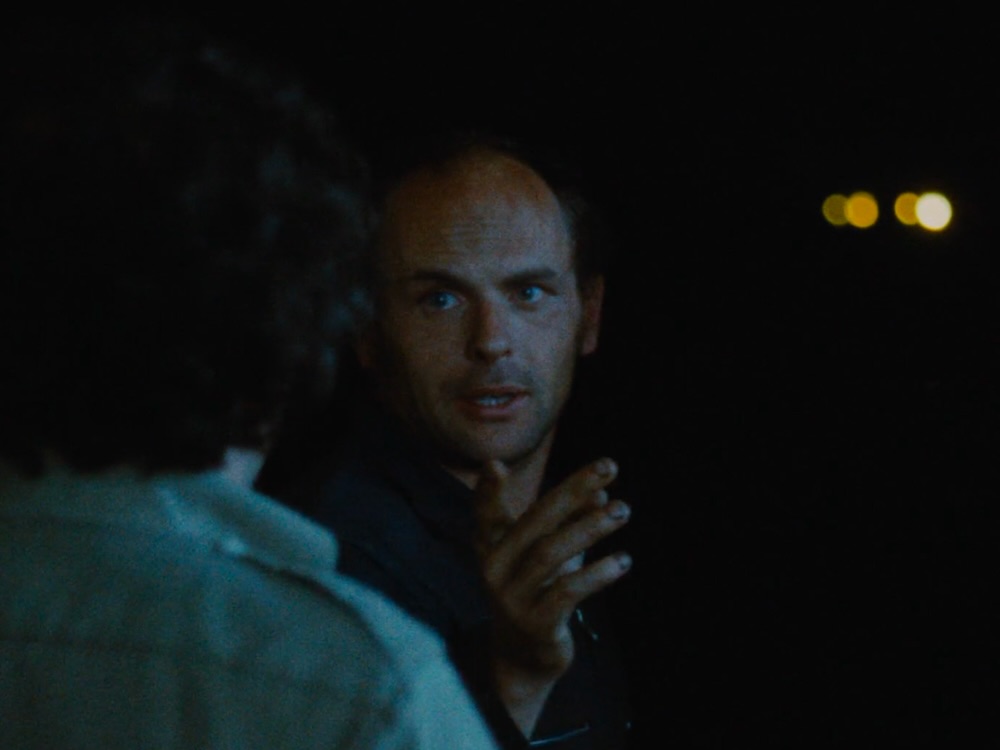
Wednesday 2 December, 6.30pm
UK PREMIERE
Passe Montagne
After his car breaks down off the Jura motorway, a Parisian architect accepts a mechanic’s offer to tow it (and him) to his remote village for repairs, thus beginning an enigmatic quest through the mountains. Featuring a continuity credit for John Cassavetes and dedicated to "the Indians", Jean-François Stévenin’s debut feature established his mysterious, errant style.
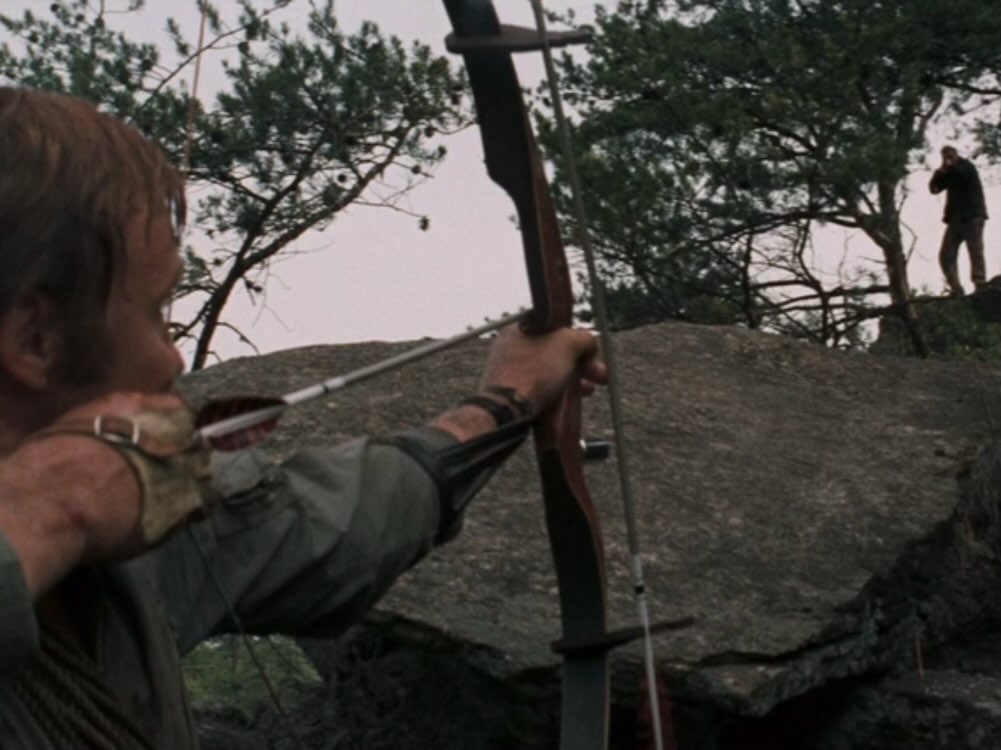
Wednesday 2 December, 8.40pm
Deliverance
A canoe trip in rural Georgia becomes a brutal fight for survival for four "city boys" looking for adventure. John Boorman’s classic tale of masculinity, violence and the limits of control was a crucial influence on Jean-François Stévenin’s Passe Montagne, which in turn won Boorman’s enthusiastic approval.
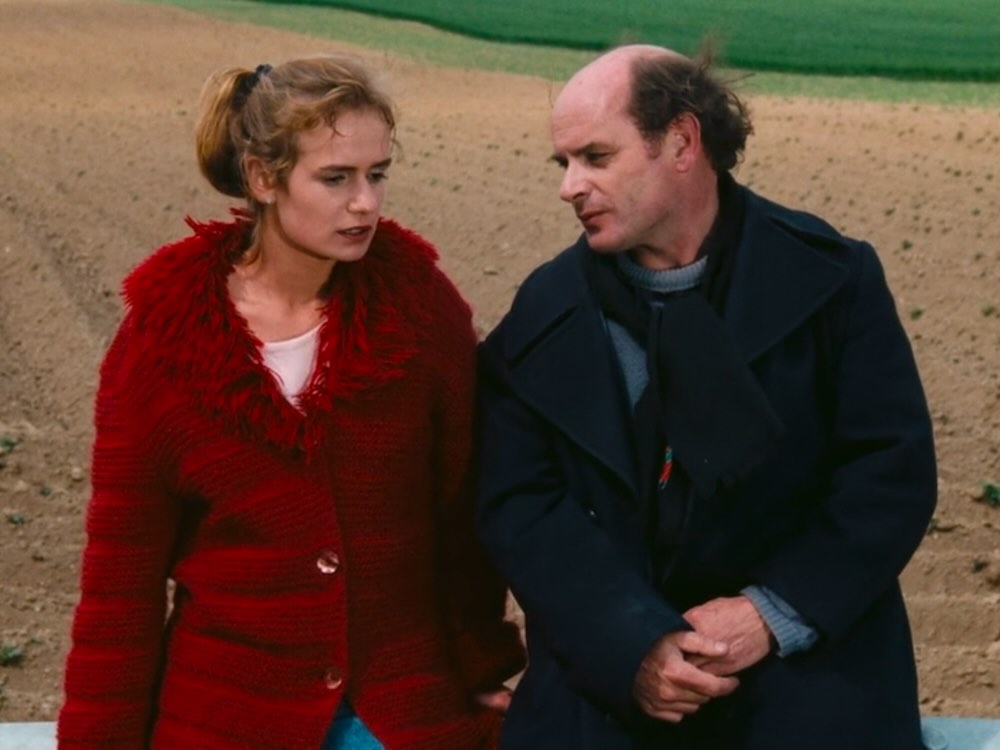
Saturday 5 December, 2pm
UK PREMIERE
Peaux de Vaches
Developed as a vehicle for Stévenin, Patricia Mazuy’s telluric debut presents an alternative take on rural French life than found in Passe Montagne. Following a man returning to his village after ten years in prison, Peaux de Vaches depicts provincial France as a terrain of repressed violence and simmering resentments.
Wednesday 9 December, 8.40pm
Le Pont du Nord
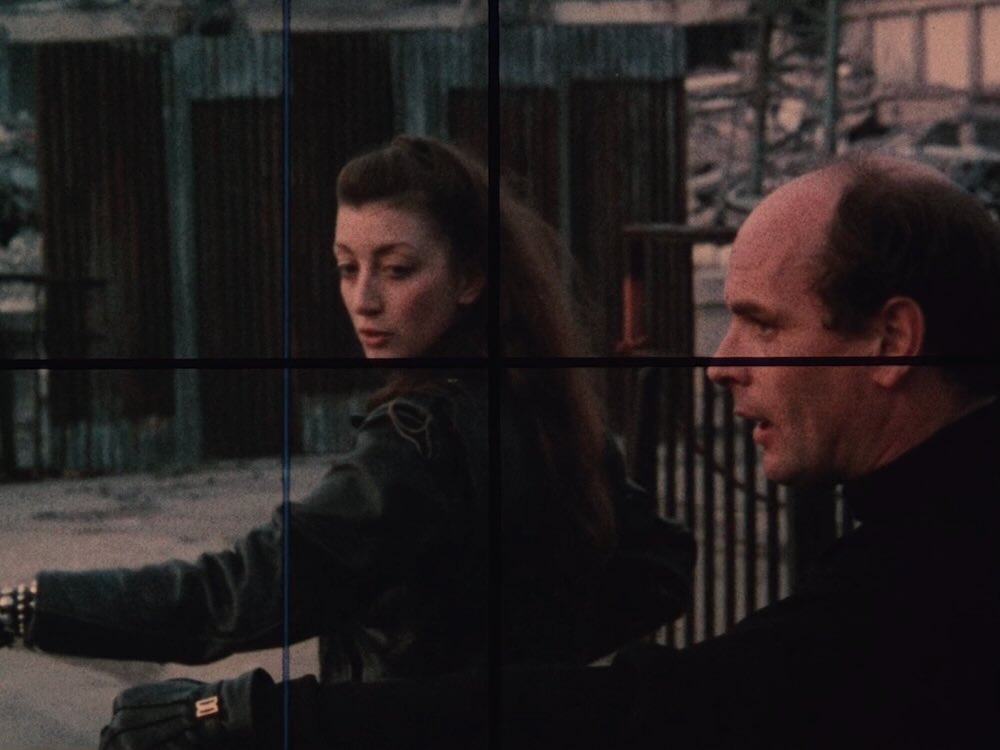
Jacques Rivette turns Paris into a giant board game in this open-air phantasmagoria starring Bulle Ogier and her daughter Pascale. Jean-François Stévenin gives a memorable turn as a leather-clad, karate-trained mercenary.
Saturday 12 December, 1.30pm
Husbands
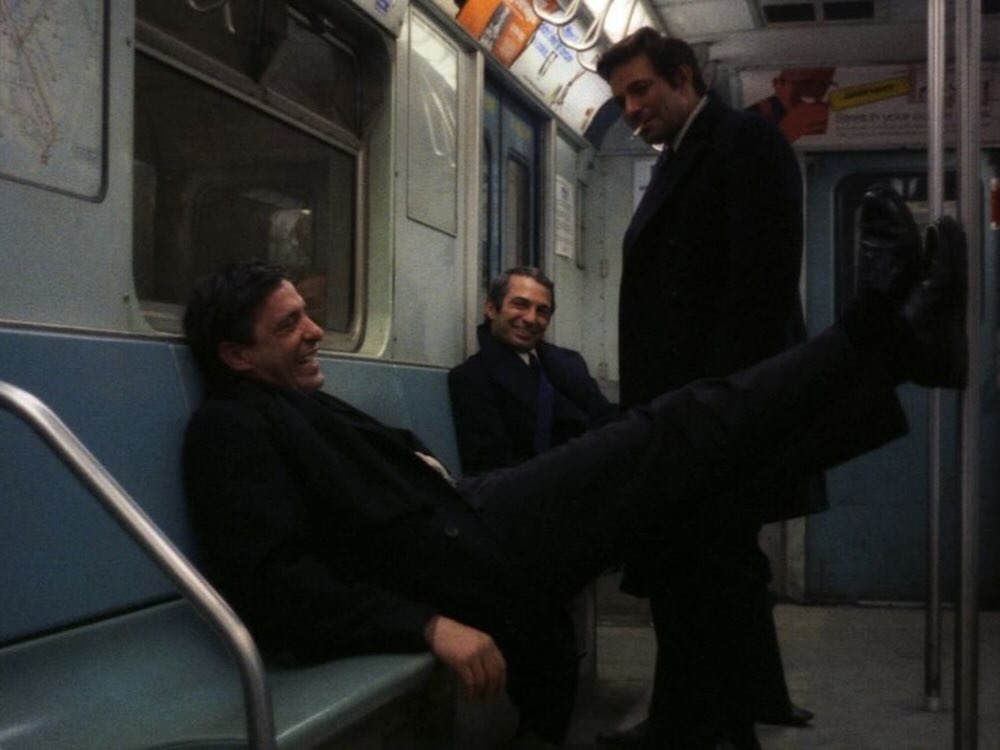
After the sudden death of a close friend, three middle-aged New Yorkers embark on an extended binge that takes them across the Atlantic in John Cassavetes’s abrasive and painfully intimate portrait of male friendship. Jean-François Stévenin was utterly devoted to Cassavetes’s cinema, and Husbands was a personal favourite.
Saturday 12 December, 4.30pm
Double Messieurs
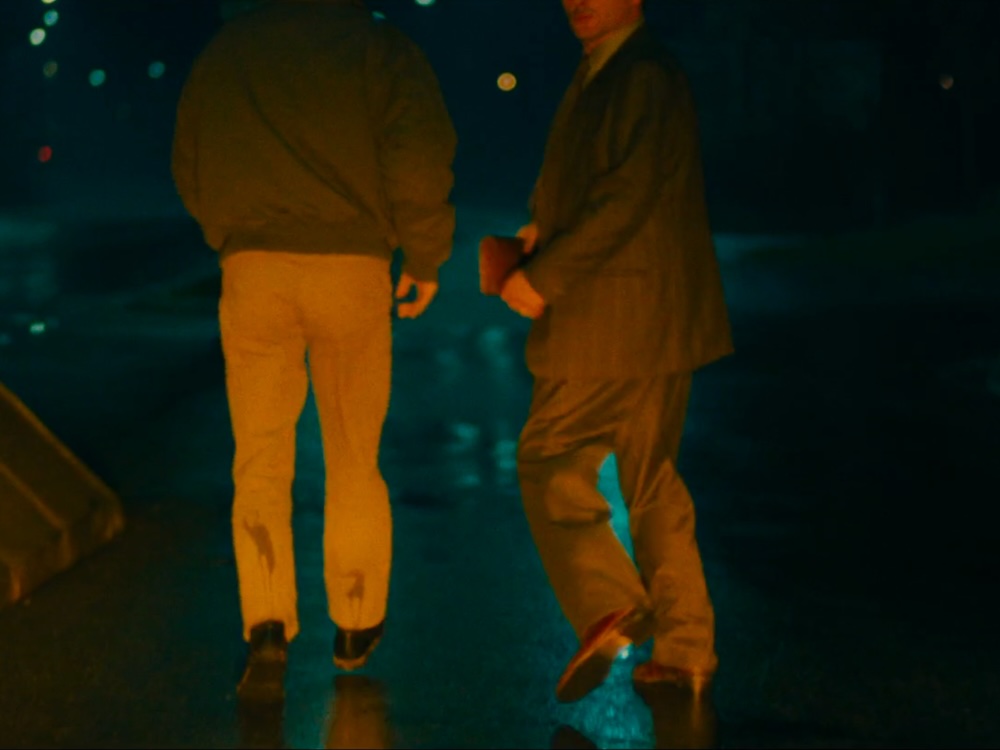
Beginning with the encounter between two former school friends now in their middle age, Jean-François Stévenin’s second film follows their attempt to play a prank on an estranged member of their childhood gang: a desperate grasp at faded youth which quickly unravels into an "accidental" kidnapping. Ending in existential desolation on a snowy mountain range, Double Messieurs takes Stévenin’s singularly free-form style to new heights.
Wednesday 16 December, 6.30pm
UK PREMIERE
Neige
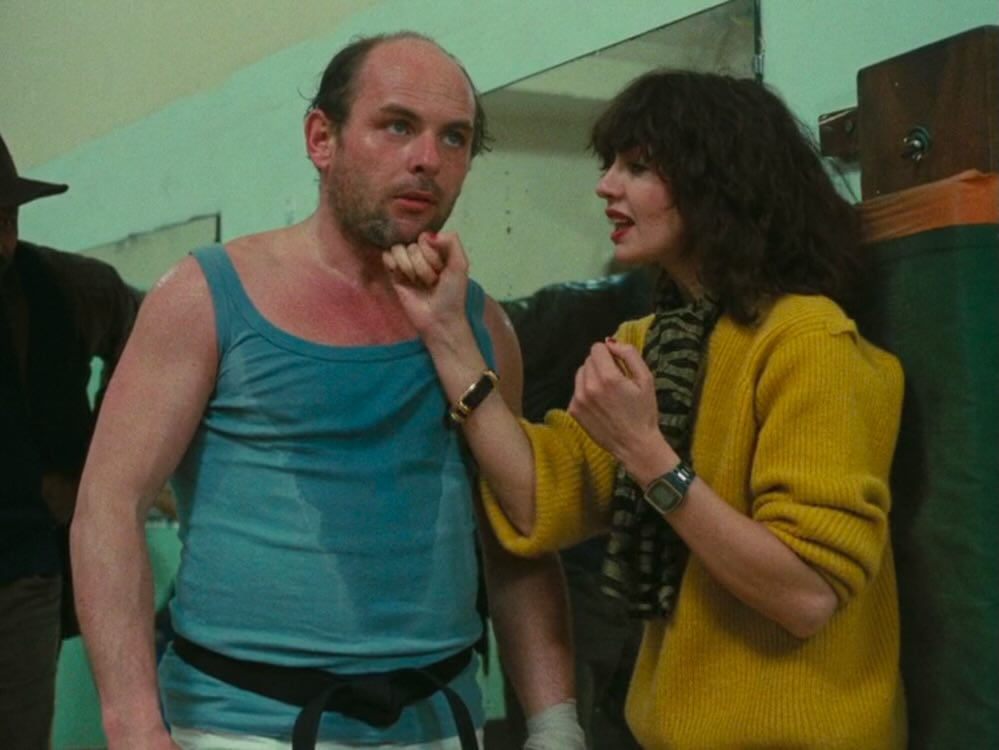
The feature directorial debut of New Wave icon Juliet Berto, Neige shows a side of Paris too-rarely seen in canonical French cinema. Both resonant with Stévenin’s fascination with marginal life and distinguished by its queer, non-masculinist sensibility, the film makes skilful use of the actor’s peculiar blend of rough edges and childlike sincerity and presents a social world absent from his own films of the periphery.
Saturday 19 December, 2pm
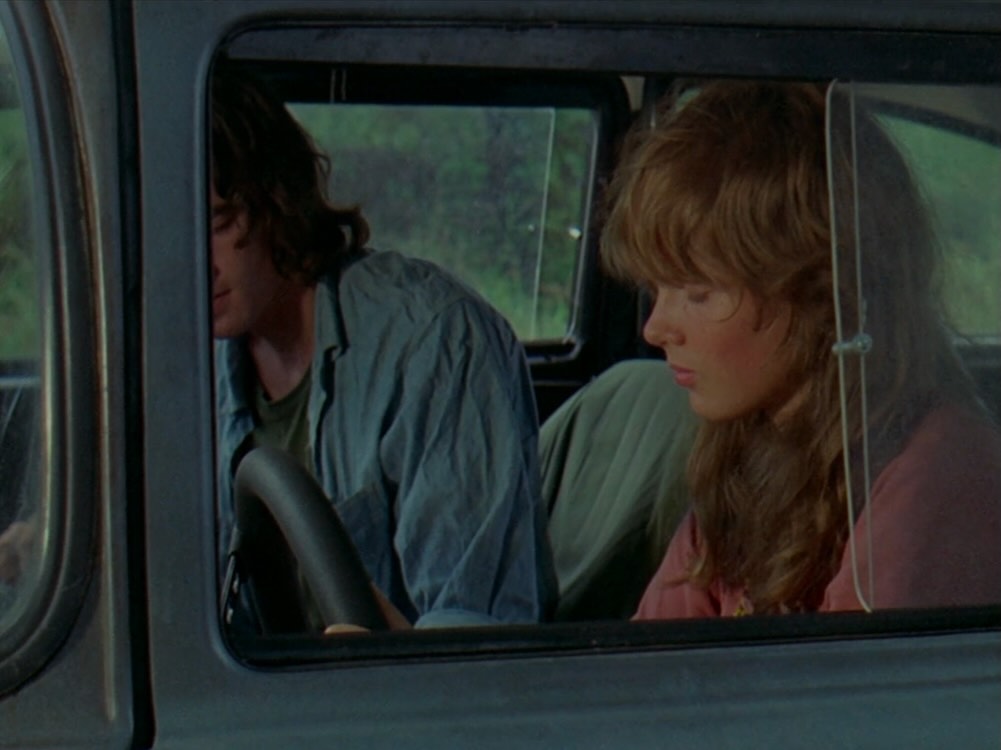
Two-Lane Blacktop
Two drag racers cross the USA in a modified ’55 Chevrolet, picking up a hitchhiker and challenging the mysterious driver of a Pontiac GTO to a "pink slips" contest. Monte Hellman’s masterpiece, an enduring touchstone for Jean-François Stévenin, strips America down to the open road, where restlessness, companionship and longing play out across endless miles of asphalt.
Saturday 19 December, 4.30pm
UK PREMIERE
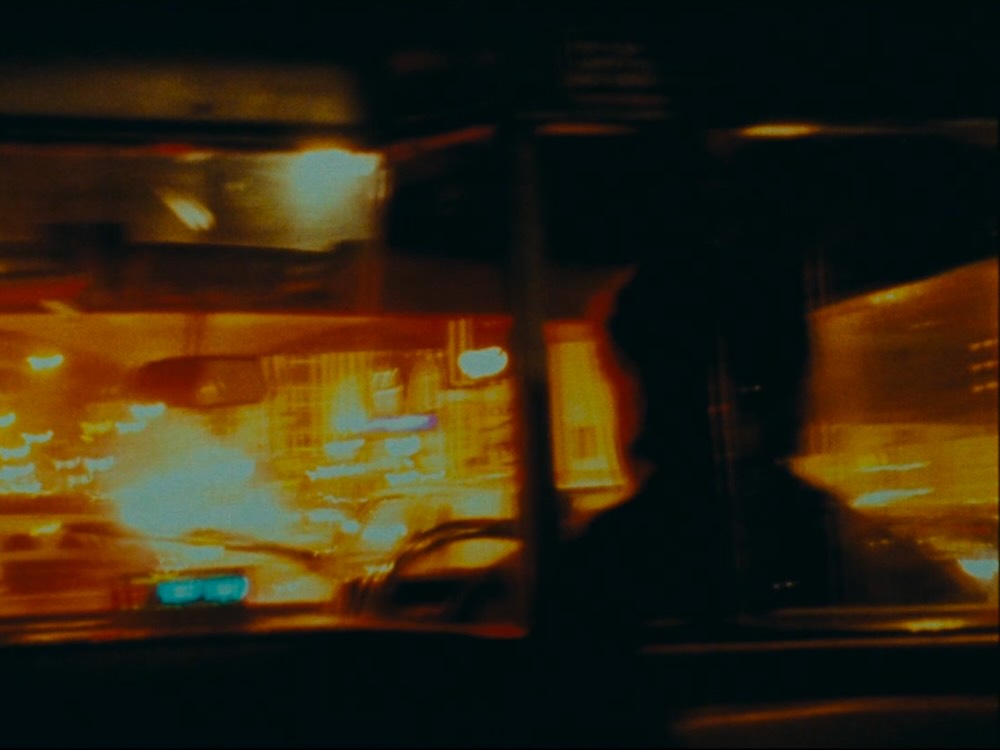
Mischka
Abandoned by his family at a motorway service station, an old man escapes from a care home and falls in with an unlikely group of fellow strays. Featuring his wife and three of his children, Jean-François Stévenin’s final film is a beautifully skewiff salute to those who find camaraderie outside the traditional family.
Wednesday 2 December, 6.30pm
UK PREMIERE
Passe Montagne
After his car breaks down off the Jura motorway, a Parisian architect accepts a mechanic’s offer to tow it (and him) to his remote village for repairs, thus beginning an enigmatic quest through the mountains. Featuring a continuity credit for John Cassavetes and dedicated to "the Indians", Jean-François Stévenin’s debut feature established his mysterious, errant style.
Wednesday 2 December, 8.40pm
Deliverance
A canoe trip in rural Georgia becomes a brutal fight for survival for four "city boys" looking for adventure. John Boorman’s classic tale of masculinity, violence and the limits of control was a crucial influence on Jean-François Stévenin’s Passe Montagne, which in turn won Boorman’s enthusiastic approval.
Saturday 5 December, 2pm
UK PREMIERE
Peaux de Vaches
Developed as a vehicle for Stévenin, Patricia Mazuy’s telluric debut presents an alternative take on rural French life than found in Passe Montagne. Following a man returning to his village after ten years in prison, Peaux de Vaches depicts provincial France as a terrain of repressed violence and simmering resentments.
Wednesday 9 December, 8.40pm
Le Pont du Nord
Jacques Rivette turns Paris into a giant board game in this open-air phantasmagoria starring Bulle Ogier and her daughter Pascale. Jean-François Stévenin gives a memorable turn as a leather-clad, karate-trained mercenary.
Saturday 12 December, 1.30pm
Husbands
After the sudden death of a close friend, three middle-aged New Yorkers embark on an extended binge that takes them across the Atlantic in John Cassavetes’s abrasive and painfully intimate portrait of male friendship. Jean-François Stévenin was utterly devoted to Cassavetes’s cinema, and Husbands was a personal favourite.
Saturday 12 December, 4.30pm
Double Messieurs
Beginning with the encounter between two former school friends now in their middle age, Jean-François Stévenin’s second film follows their attempt to play a prank on an estranged member of their childhood gang: a desperate grasp at faded youth which quickly unravels into an "accidental" kidnapping. Ending in existential desolation on a snowy mountain range, Double Messieurs takes Stévenin’s singularly free-form style to new heights.
Wednesday 16 December, 6.30pm
UK PREMIERE
Neige
The feature directorial debut of New Wave icon Juliet Berto, Neige shows a side of Paris too-rarely seen in canonical French cinema. Both resonant with Stévenin’s fascination with marginal life and distinguished by its queer, non-masculinist sensibility, the film makes skilful use of the actor’s peculiar blend of rough edges and childlike sincerity and presents a social world absent from his own films of the periphery.
Saturday 19 December, 2pm
Two-Lane Blacktop
Two drag racers cross the USA in a modified ’55 Chevrolet, picking up a hitchhiker and challenging the mysterious driver of a Pontiac GTO to a "pink slips" contest. Monte Hellman’s masterpiece, an enduring touchstone for Jean-François Stévenin, strips America down to the open road, where restlessness, companionship and longing play out across endless miles of asphalt.
Saturday 19 December, 4.30pm
UK PREMIERE
Mischka
Abandoned by his family at a motorway service station, an old man escapes from a care home and falls in with an unlikely group of fellow strays. Featuring his wife and three of his children, Jean-François Stévenin’s final film is a beautifully skewiff salute to those who find camaraderie outside the traditional family.