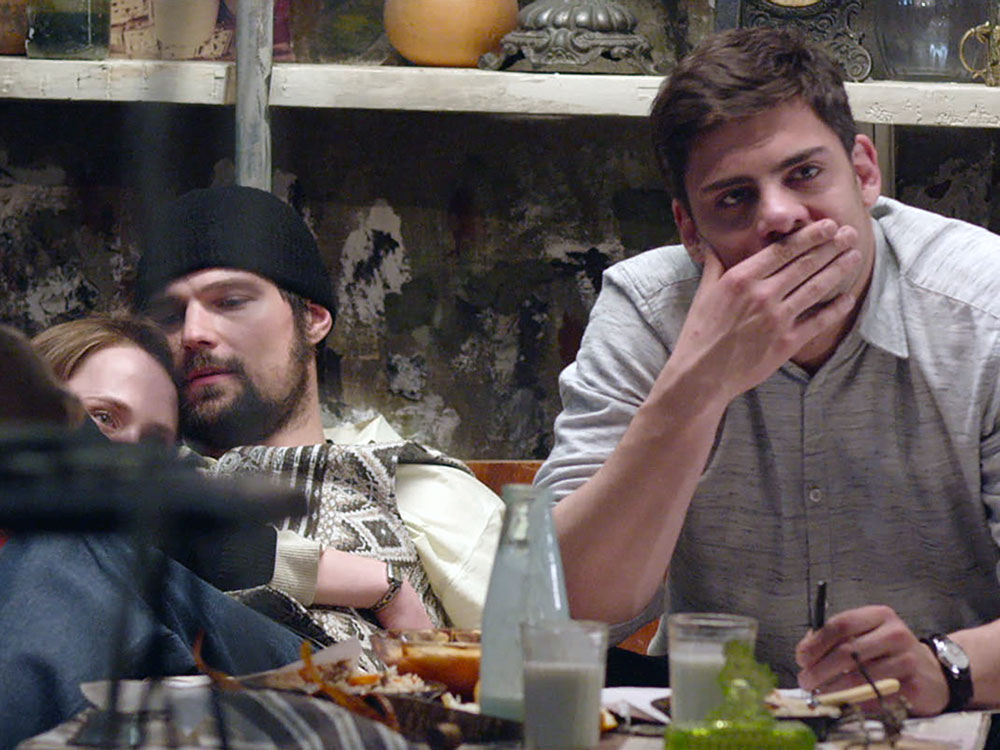
19 February – 12 April 2026
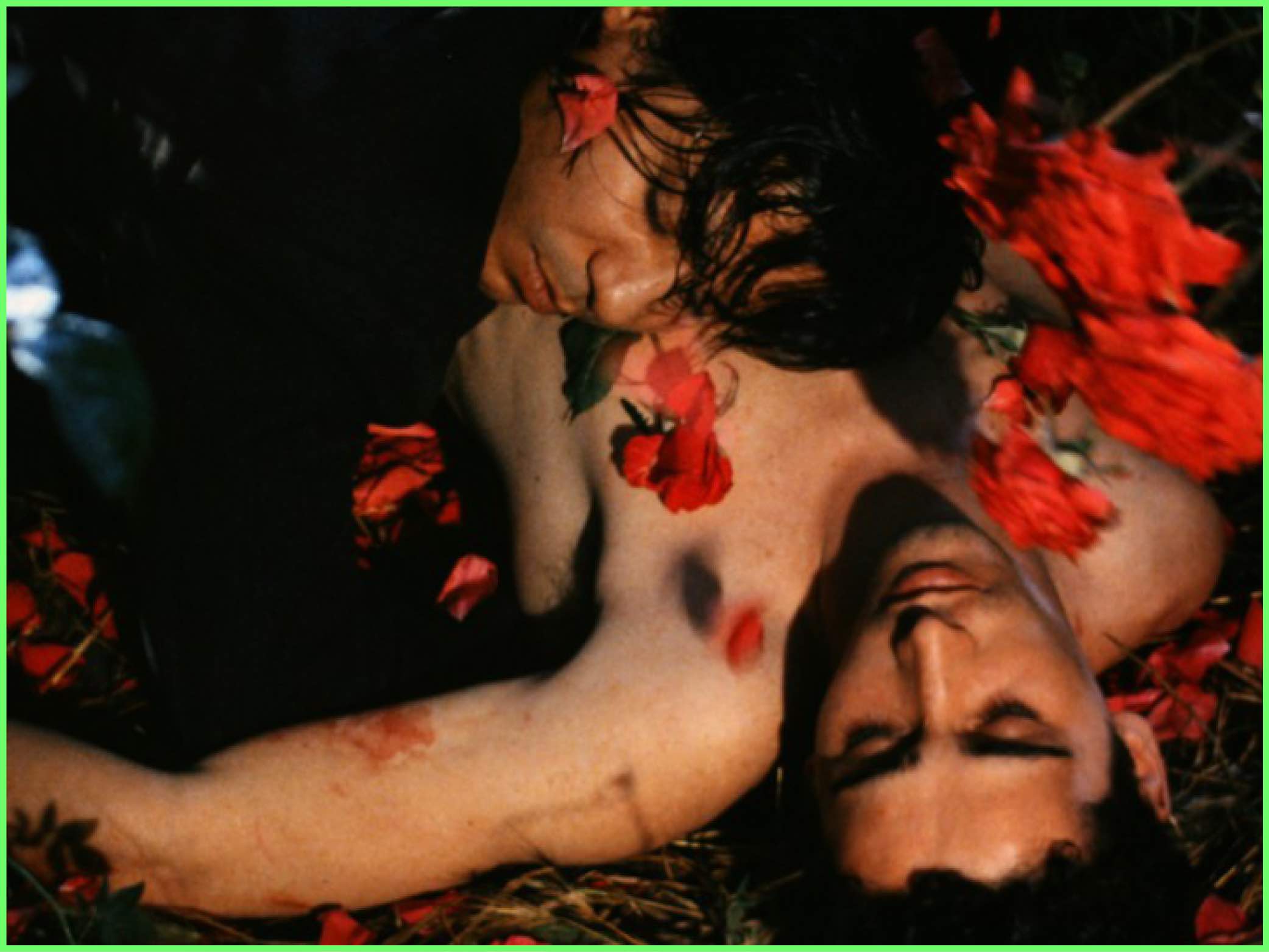
Long Takes
“What Schroeter does with a face, a cheekbone, the lips, an expression of the eyes [is a] multiplying and burgeoning of the body, an exaltation.”
— Michel Foucault
Born in Georgenthal, East Germany, in 1945, soon before the end of the Second World War, Werner Schroeter grew up in a bohemian household in an industrial surroundings, close to a much-beloved grandmother and his mother’s opera-singer girlfriend.
As much has been made about distance from as his connection to the New German Cinema, though a contemporary and peer of Rainer Werner Fassbinder, Werner Herzog, and Wim Wenders, with whom he studied (fleetingly) in the Hochschule für Fernsehen und Film München, he has occupied an unclassifiable space in twentieth century cinema, leading to his cinema having been somewhat marginalised in comparison. Up until his death in 2010, across a huge corpus – twenty-two features and numerous shorter works – Schroeter’s cinema has been nothing else if not particular. A cinema of emotionality, queerness, improvisation, and somatics. Utopian yet scuzzy, not straightforwardly political, yet radical in its heart of hearts.
From the outset, his early short and medium-length films, made in the late 1960s and early 1970s and most often on 8mm, demonstrated a fascination with theatricality, extravagant tableaux and transgressive sexuality, defined by early encounters with lifelong collaborator Magdalena Montezuma, artistic confidante Rosa von Praunheim, and Maria Callas (who never acts, but is nonetheless an ever-present star across his filmography). Through the 1970s and 1980s, with wider appreciation in festivals and cinematheques abroad, Schroeter’s cinema veered more ambitious, more of-the-world even, filmed across Argentina, the Philippines, Portugal, Italy, and Mexico.
Opening in February 2026, Anguish & Ecstasy: The Cinema of Werner Schroeter is the first-ever comprehensive UK retrospective devoted to his work. The three-month season stands to reintroduce his cinema to London audiences, contextualised by specialist introductions, new restorations of rarely seen works, and 35mm presentations.
Long Takes
“What Schroeter does with a face, a cheekbone, the lips, an expression of the eyes [is a] multiplying and burgeoning of the body, an exaltation.”
— Michel Foucault
Born in Georgenthal, East Germany, in 1945, soon before the end of the Second World War, Werner Schroeter grew up in a bohemian household in an industrial surroundings, close to a much-beloved grandmother and his mother’s opera-singer girlfriend.
As much has been made about distance from as his connection to the New German Cinema, though a contemporary and peer of Rainer Werner Fassbinder, Werner Herzog, and Wim Wenders, with whom he studied (fleetingly) in the Hochschule für Fernsehen und Film München, he has occupied an unclassifiable space in twentieth century cinema, leading to his cinema having been somewhat marginalised in comparison. Up until his death in 2010, across a huge corpus – twenty-two features and numerous shorter works – Schroeter’s cinema has been nothing else if not particular. A cinema of emotionality, queerness, improvisation, and somatics. Utopian yet scuzzy, not straightforwardly political, yet radical in its heart of hearts.
From the outset, his early short and medium-length films, made in the late 1960s and early 1970s and most often on 8mm, demonstrated a fascination with theatricality, extravagant tableaux and transgressive sexuality, defined by early encounters with lifelong collaborator Magdalena Montezuma, artistic confidante Rosa von Praunheim, and Maria Callas (who never acts, but is nonetheless an ever-present star across his filmography). Through the 1970s and 1980s, with wider appreciation in festivals and cinematheques abroad, Schroeter’s cinema veered more ambitious, more of-the-world even, filmed across Argentina, the Philippines, Portugal, Italy, and Mexico.
Opening in February 2026, Anguish & Ecstasy: The Cinema of Werner Schroeter is the first-ever comprehensive UK retrospective devoted to his work. The three-month season stands to reintroduce his cinema to London audiences, contextualised by specialist introductions, new restorations of rarely seen works, and 35mm presentations.
Booking is now open
The retrospective is made possible with the support of Maren Hobein and the Goethe Institut London. We similarly owe thanks to the collaboration of Ricardo Matos Cabo, the Munich Filmmuseum, EYE Filmmuseum, Cinémathèque française and to Paulo Branco.
Programme
OPENING NIGHT
Thursday 19 February, 6.15pm
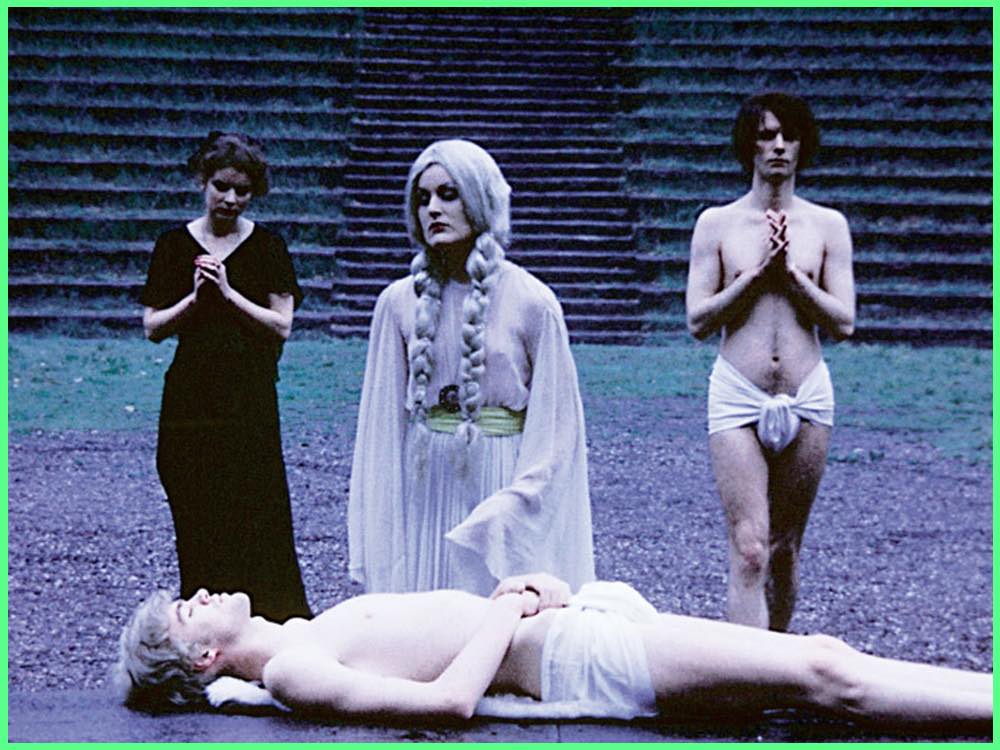
Eika Katappa on 35mm
Schroeter’s first feature unfolds like a fevered collage of opera and cinematic dream, as performers move, lip-syncing tragically, in drag, through industrial and domestic spaces.
Sunday 22 February, 6.30pm
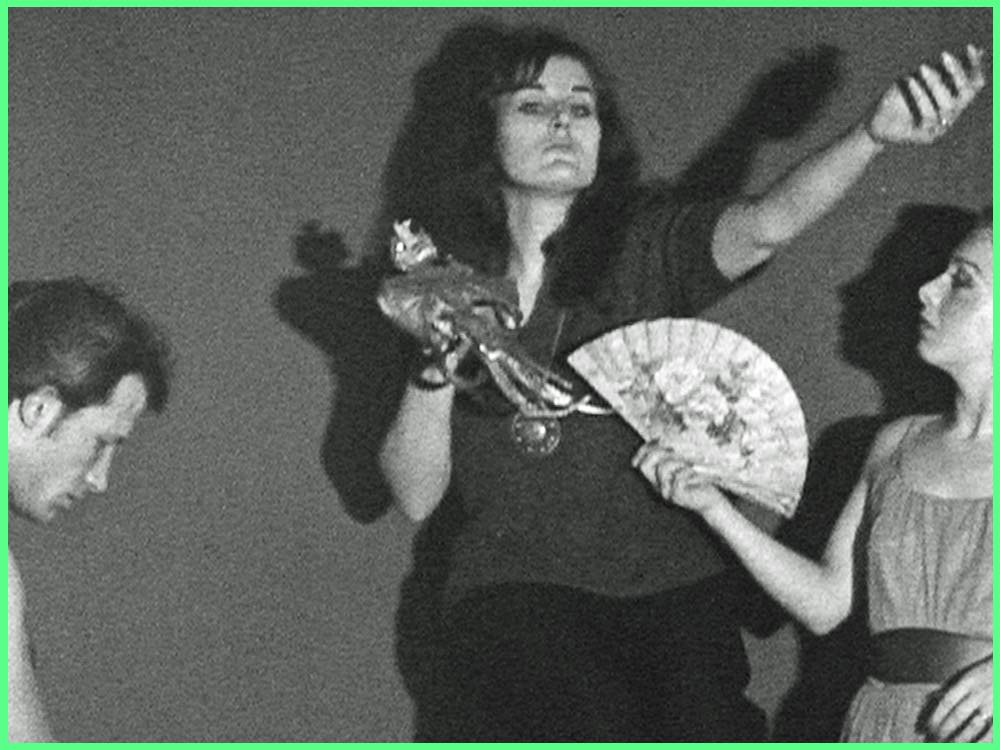
Neurasia / Argila / Aggression + Intro
By the end of 1968 Schroeter had acquired a 16mm Beaulieu camera with which he began making longer work in black and white that became points of departure in his art. This screening presents three such pieces.
Tuesday 24 February, 6.45pm
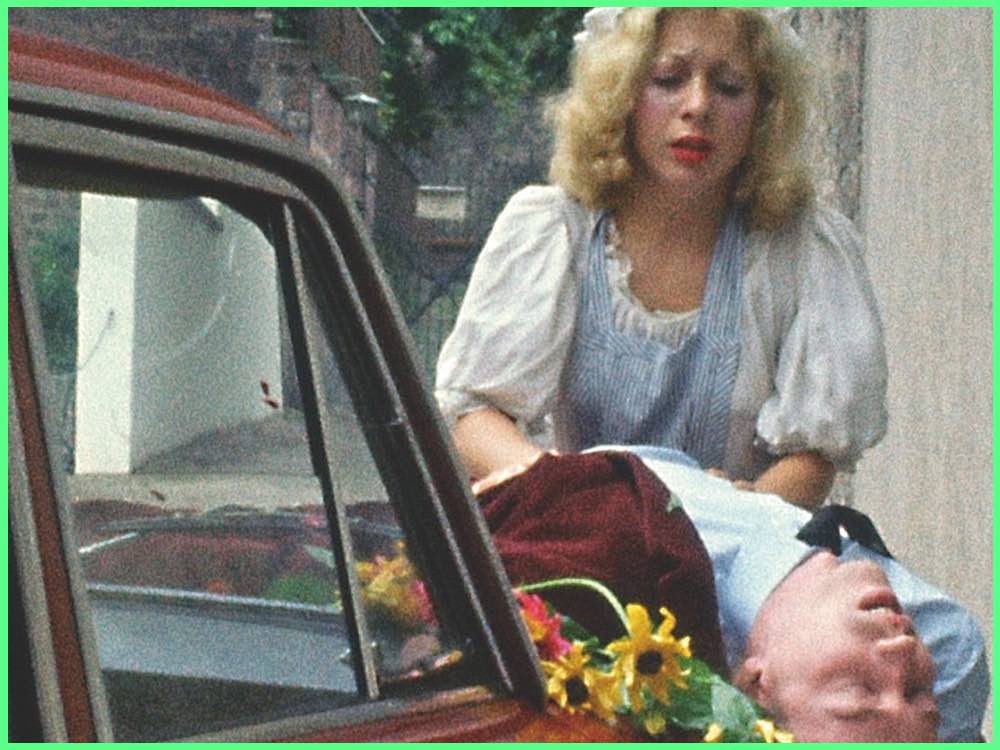
Der Bomberpilot
Made for television Der Bomberpilot enlists Schroeter's anchoring structure of three women to probe cultural legacies of Fascist Germany, in sly, uneasy operetta style.
Thursday 26 February, 6.30pm
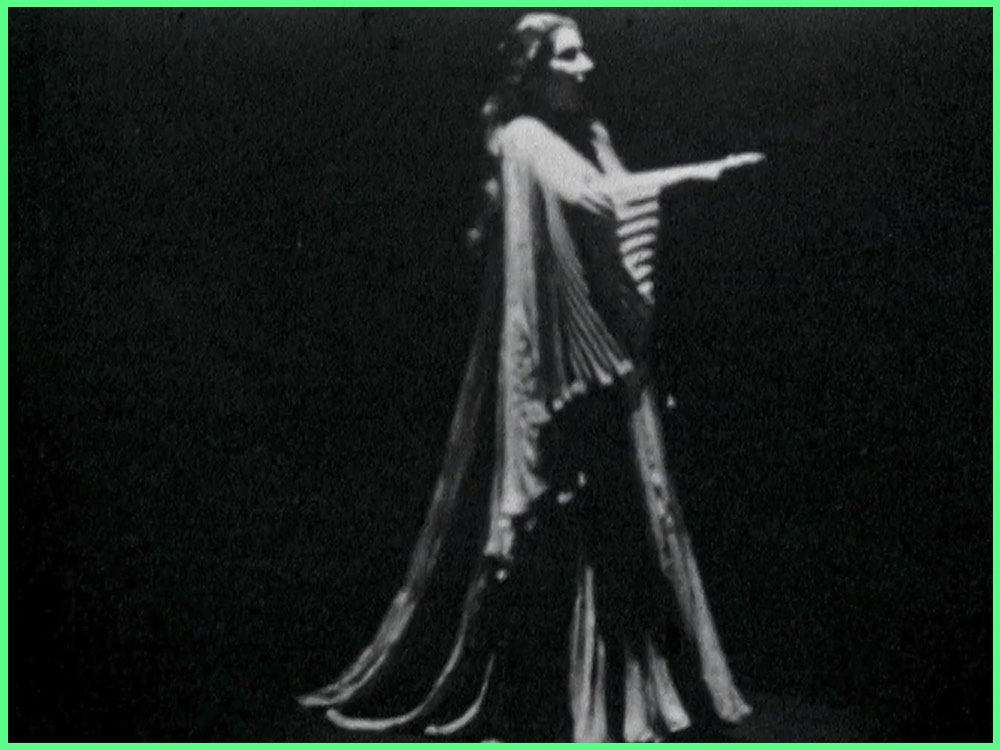
Shorts Programme 1 + introduction
The first of two shorts programmes, this screening compiles a selection of Schroeter's early 8mm works.
Sunday 1 March, 4pm
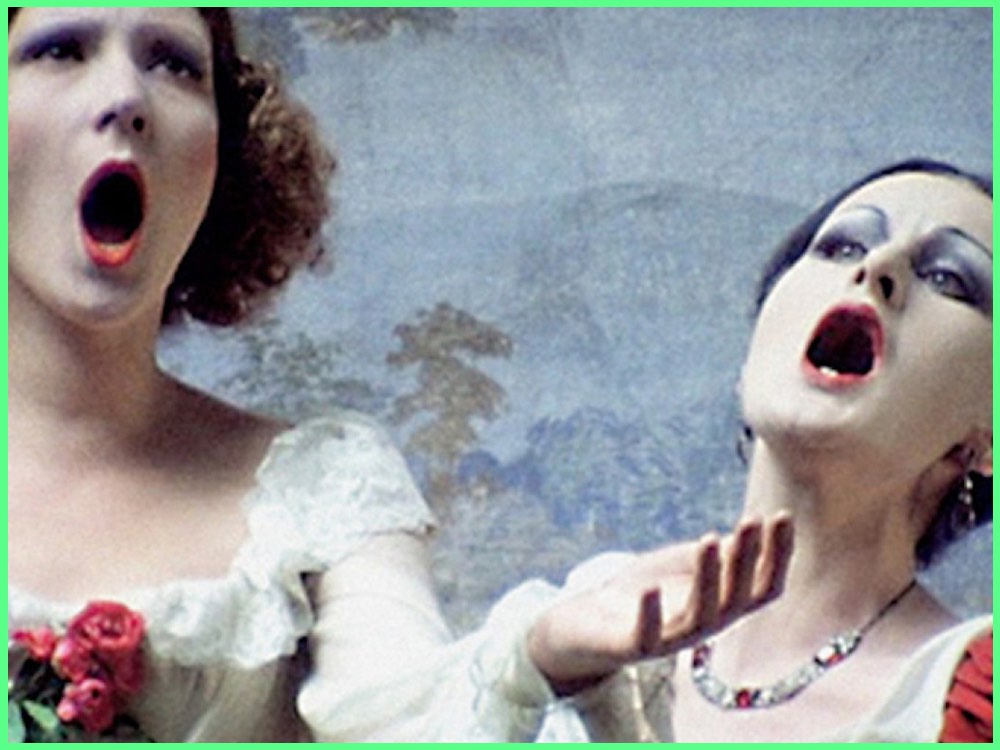
The Death of Maria Malibran on 35mm & Johannas Traum + introduction
Considered one of his best films by many, The Death of Maria Malibran, is a baroque meditation on grief, centred upon the fabled Spanish-French opera singer who died aged 28, that dissolves biography into a fantasia across three women: Magdalena Montezuma, Candy Darling and Ingrid Caven.
Tuesday 3 March, 8.30pm
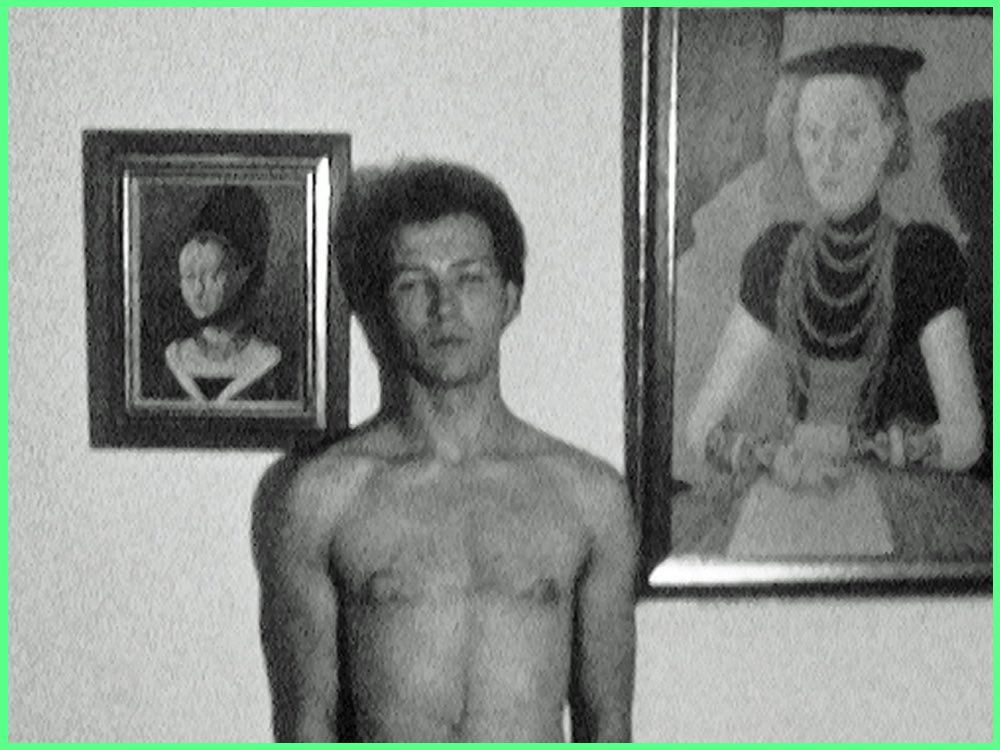
Shorts Programme 2
This second screening compiles many early works by Schroeter, presenting his attention to gestural cinema, myth, portrait, and art history through improvised adaptation.
Wednesday 4 March, 6.45pm
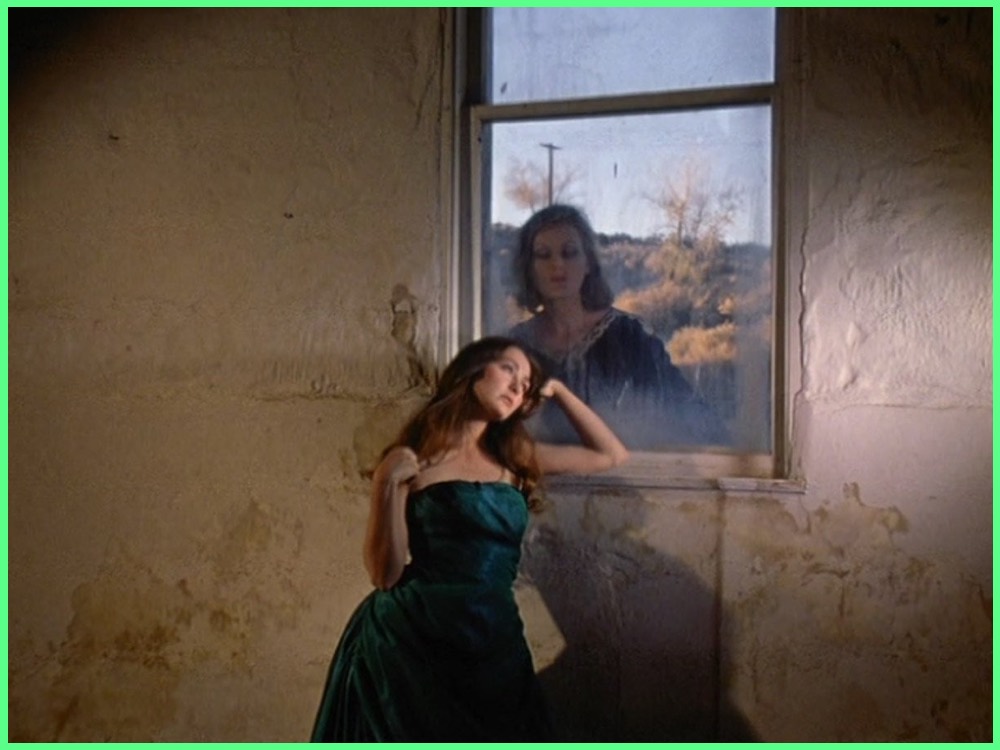
Willow Springs
A scorched fairytale, three women are entwined in a state of suffering that links them, unfolding as murderous melodrama in the Californian desert.
Saturday 7 March, 6.30pm
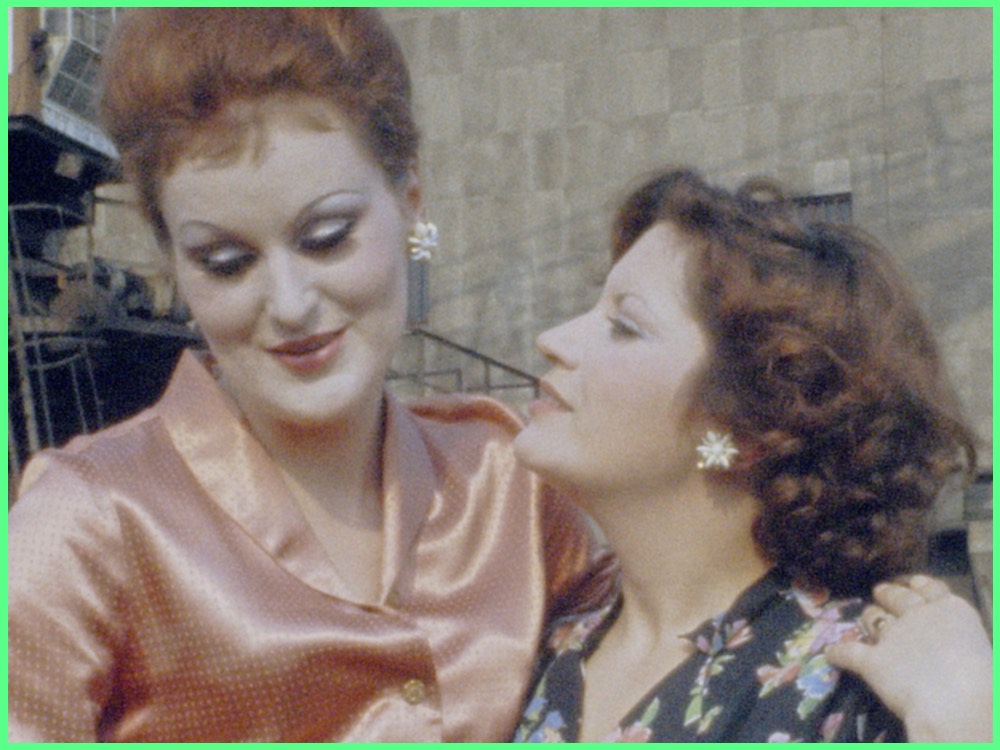
Les Flocons d'Or + introduction
Told across four episodes that weave together high and low culture, Les Flocons d'or is a richly textured tapestry of underground filmmaking in the epic register.
Tuesday 10 March, 6.40pm
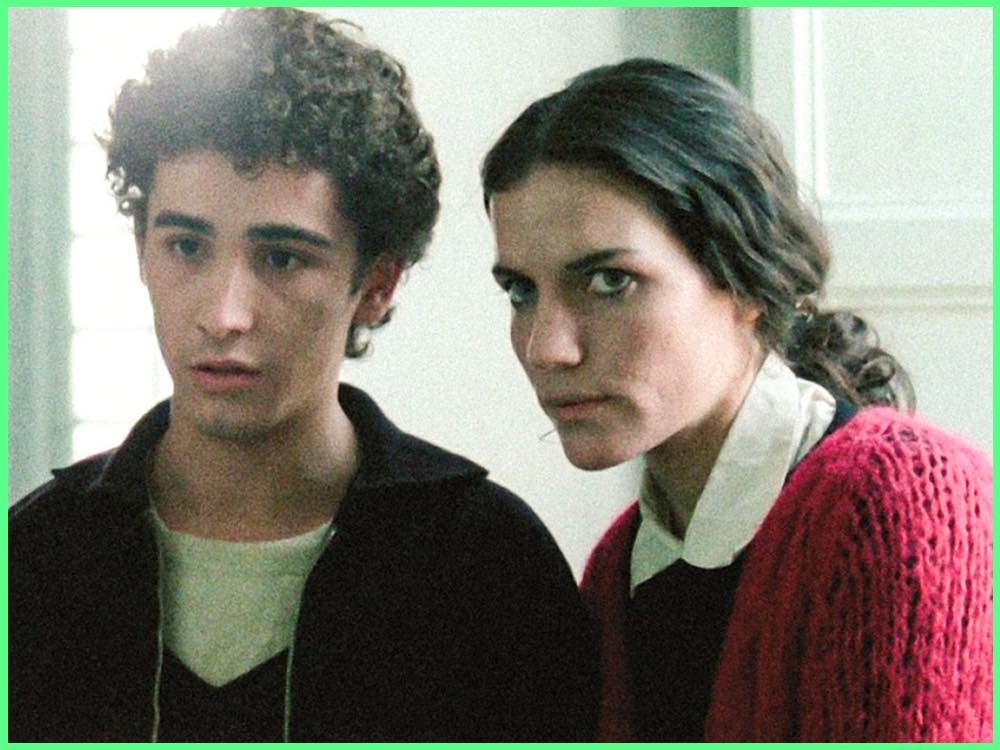
The Kingdom of Naples
A melodramatic epic that looks to community and love, Church and Communism, poverty and spirit, as it chronicles of the lives of two postwar Neapolitan families.
Saturday 14 March, 2.30pm
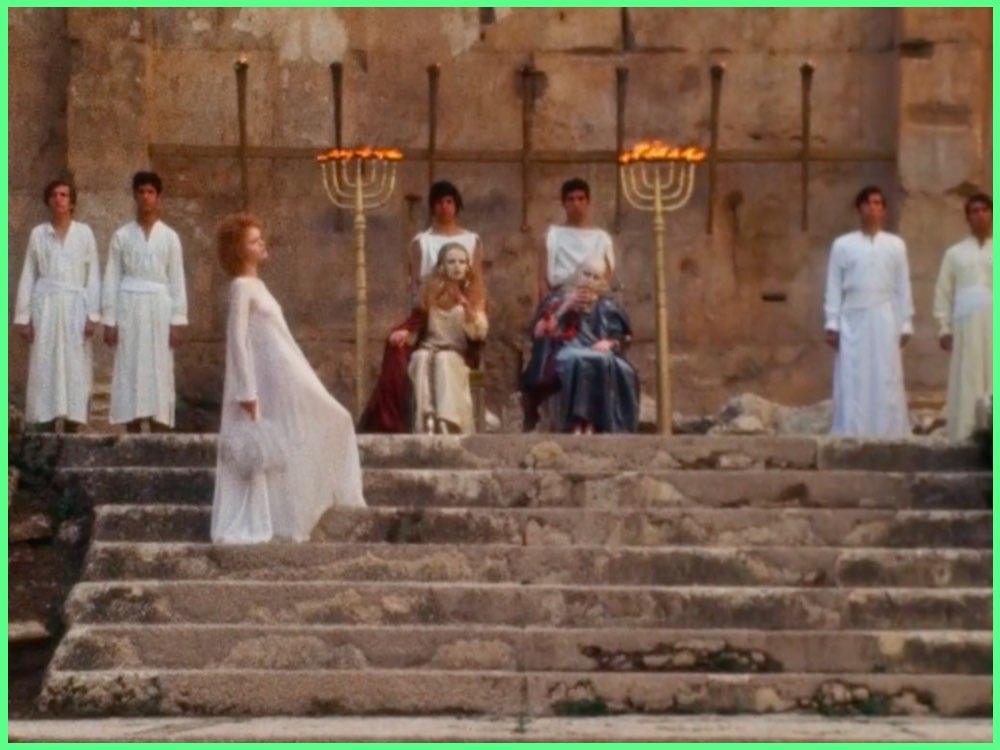
Salomé + introduction
Described by Gary Indiana as “one of the most beautiful adaptations of [Oscar Wilde’s] text to film ever made,” Schroeter’s Salomé was made in Lebanon with a close cadre of collaborators and closely restages the biblical story.
Sunday 15 March, 4.30pm
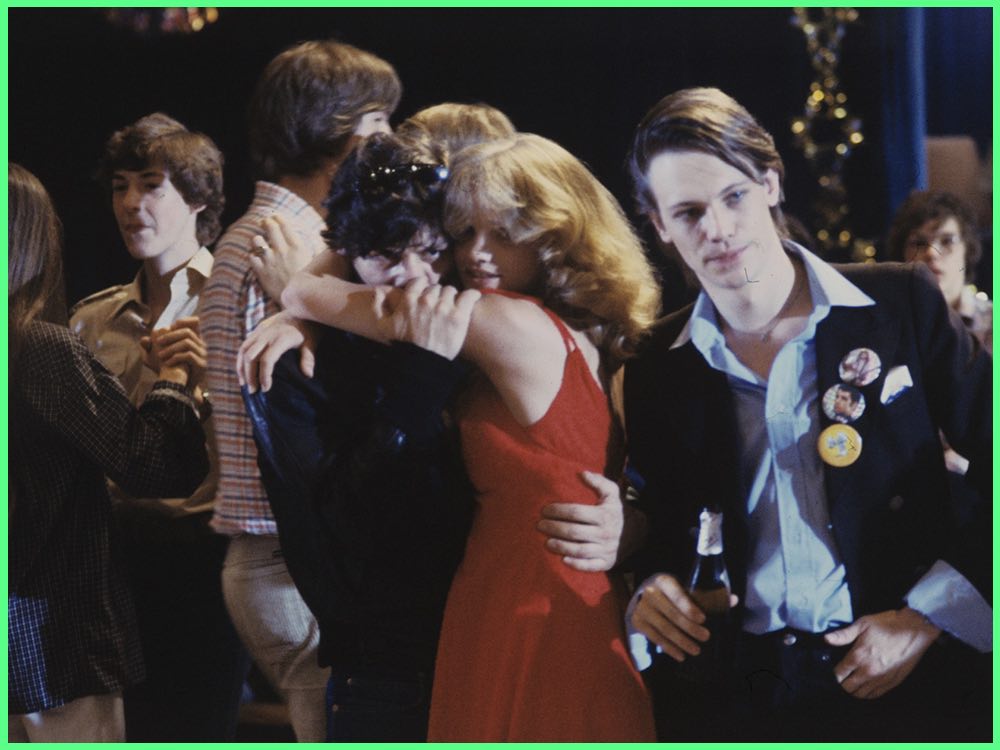
Palermo or Wolfsburg
A young Sicilian peasant travels north to Germany as a Gastarbeiter, as Schroeter's habitual excess melds with a neorealist tendency.
Thursday 19 March, 6.30pm
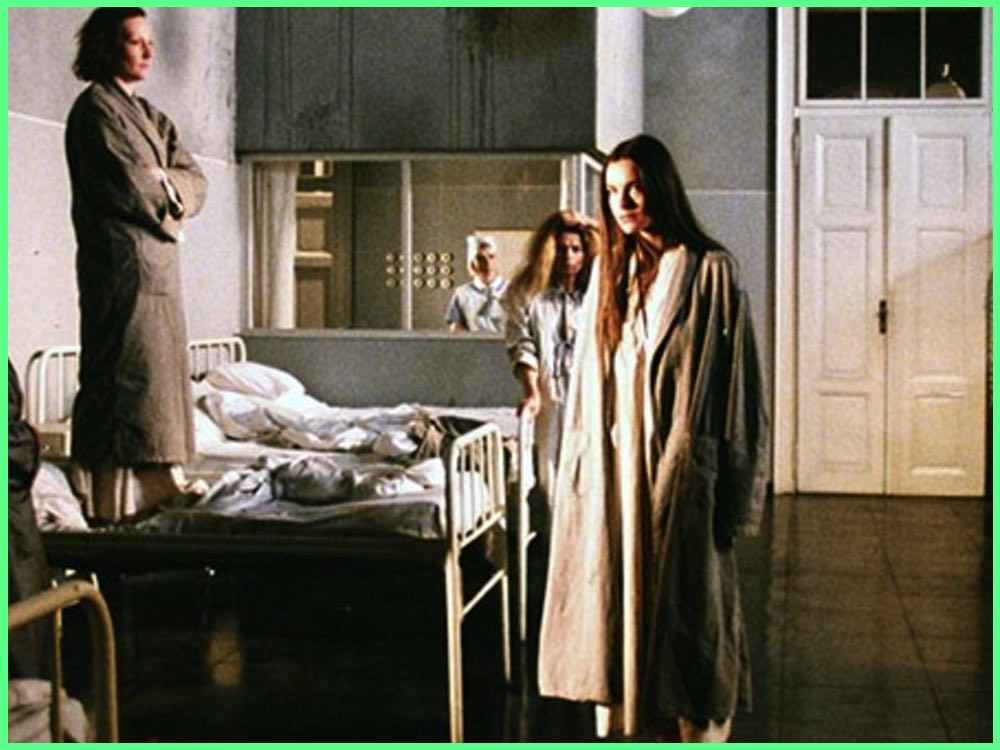
Day of the Idiots + introduction
A raw study of confinement and disintegration set largely within the confines of a psychiatric hospital in Prague starring Carole Bouquet.
Saturday 21 March, 4.30pm
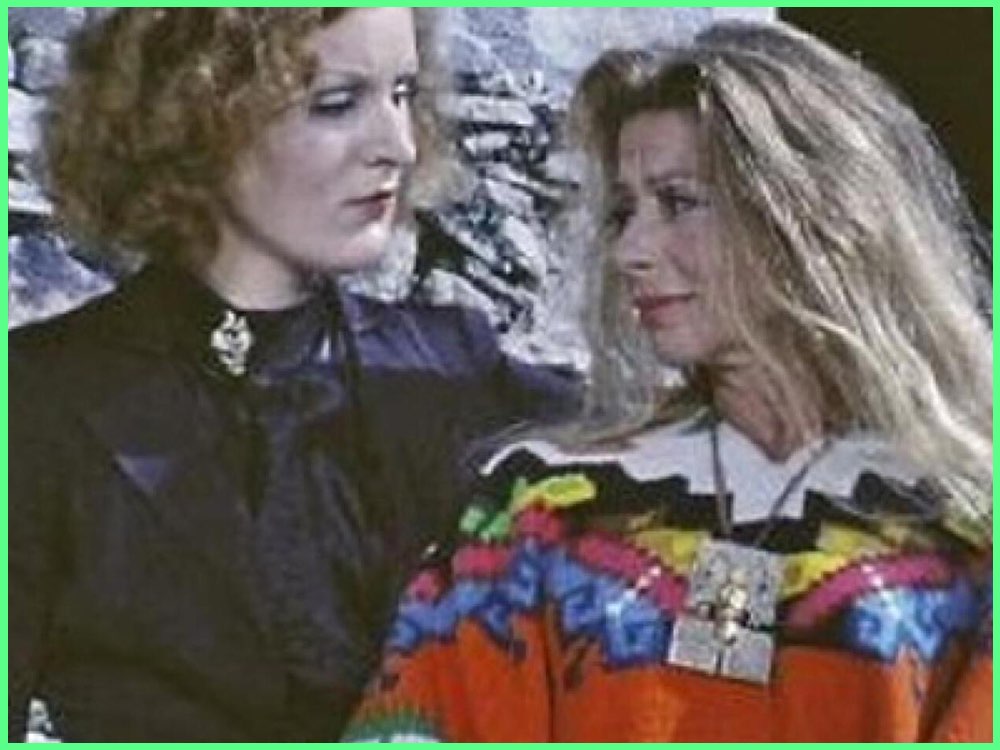
The Black Angel
Two women, an American and a European flee from their lives to Mexico in an allegorical descent into the possibilities of transformation.
Saturday 28 March, 4.30pm
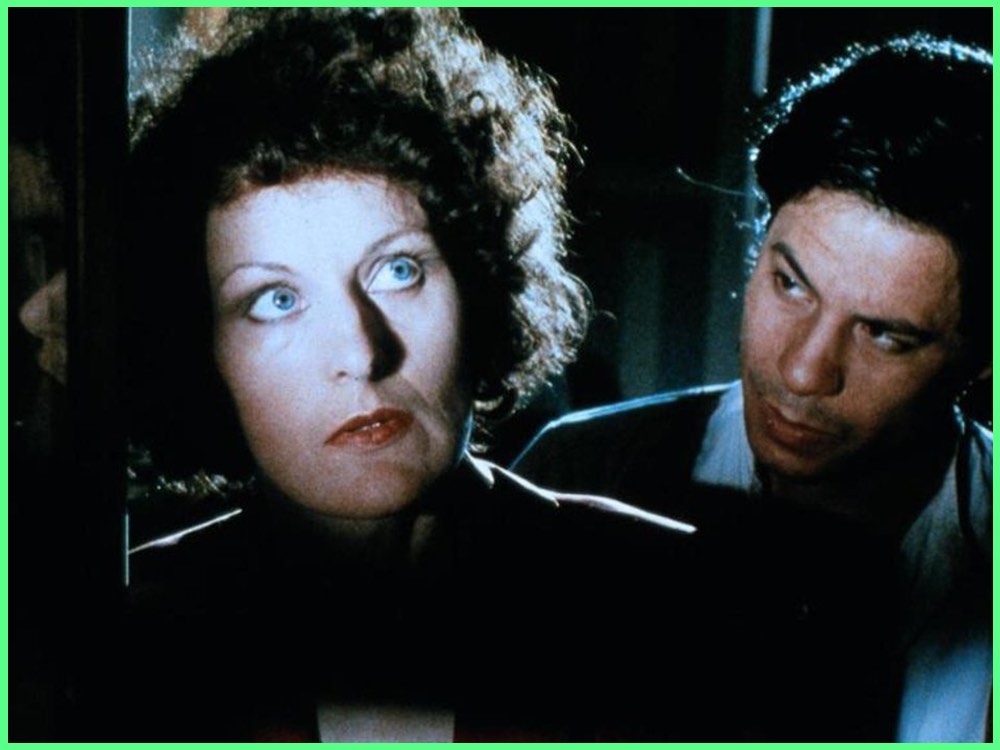
Der Rosenkönig on 35mm + introduction
Magdalena Montezuma plays the owner of a rose plantation in Portugal, who lives with her son in anxious dependence, until an Italian worker steals him away for himself. An unutterably beautiful and sumptuous tale of desire, devotion and sacrifice.
Thursday 2 April, 6.30pm
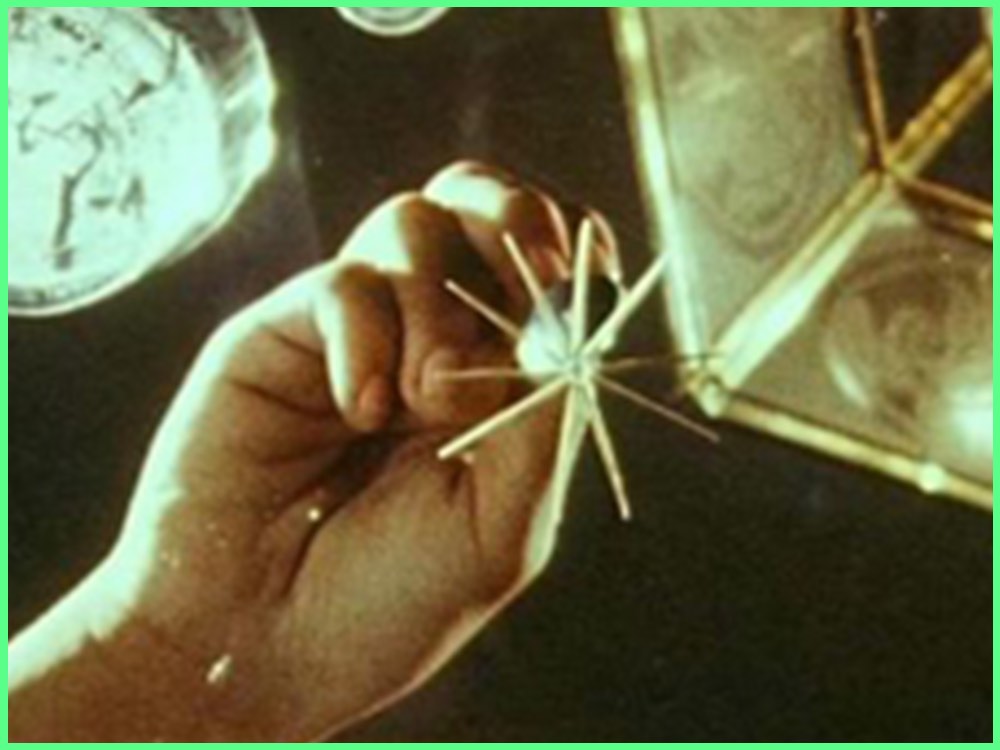
The Smiling Star
Shot clandestinely while Schroeter was a guest of the Manila International Film Festival, The Smiling Star (Der lachende Stern) is a dense, documentary-collage on the Marcos dictatorship in the Philippines. A lamentation on power and spectacle.
Sunday 5 April, 4.30pm
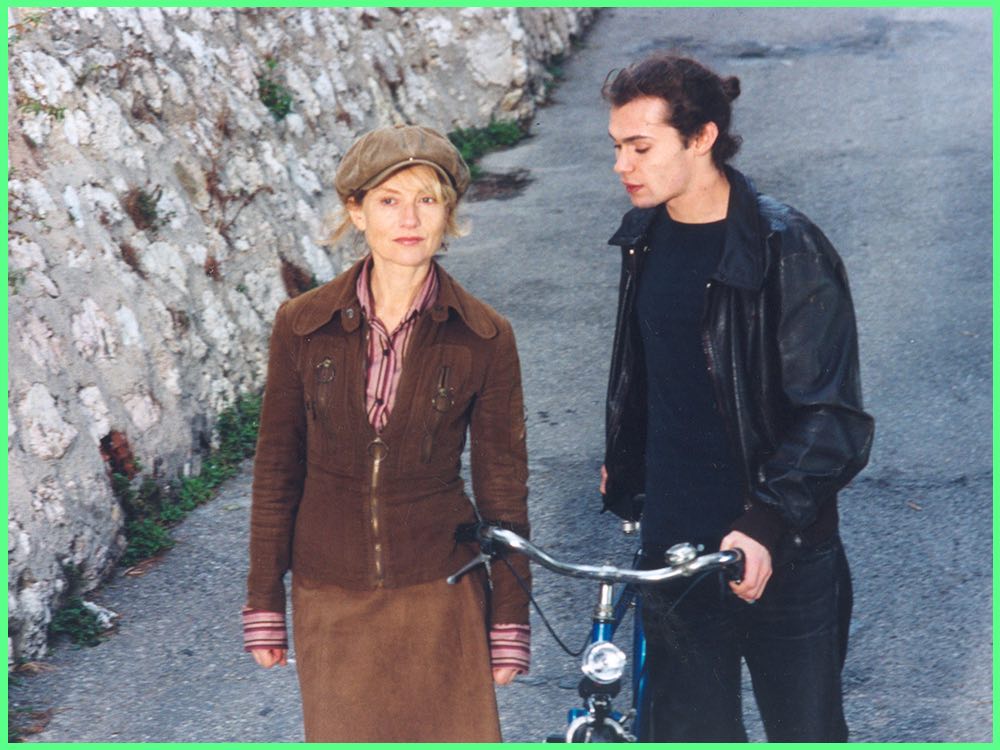
Deux on 35mm
Isabelle Huppert plays a dual role of two young twins, Marie and Magdelana, in Schroeter's poetic rumination on the self and its shadows.
Thursday 9 April, 6.30pm
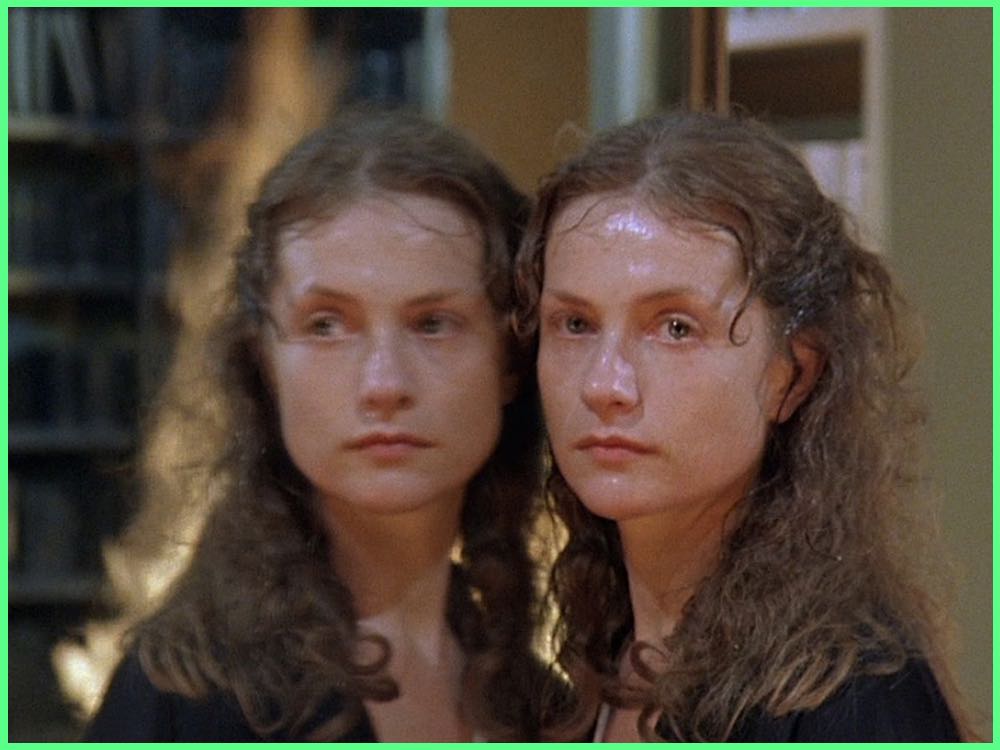
Malina + introduction
Adapted for the screen from Ingeborg Bachmann’s 1971 novel by the Austrian playwright and novelist Elfriede Jelinek, Malina is a somber and strange exploration of passion and self destruction inside a Viennese apartment.
CLOSING NIGHT
Sunday 12 April, 6pm
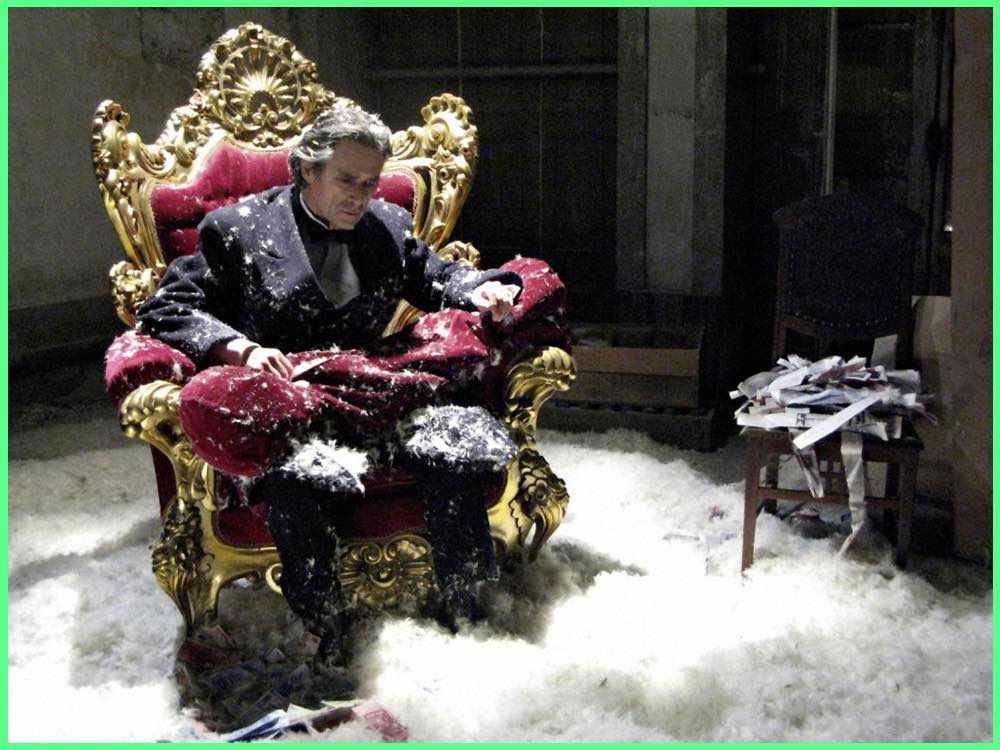
Nuit de chien on 35mm + introduction
Schroeter’s crepuscular final film, shot in the port city of Porto, departs from Juan Carlos Onetti’s novel Para esta noche, as a fugue-like exploration of the shadows of history and despair, and hope in spite of it.
OPENING NIGHT
Thursday 19 February, 6.15pm
Eika Katappa on 35mm
Schroeter’s first feature unfolds like a fevered collage of opera and cinematic dream, as performers move, lip-syncing tragically, in drag, through industrial and domestic spaces.
Sunday 22 February, 6.30pm
Neurasia / Argila / Aggression + Intro
By the end of 1968 Schroeter had acquired a 16mm Beaulieu camera with which he began making longer work in black and white that became points of departure in his art. This screening presents three such pieces.
Tuesday 24 February, 6.45pm
Der Bomberpilot
Made for television Der Bomberpilot enlists Schroeter's anchoring structure of three women to probe cultural legacies of Fascist Germany, in sly, uneasy operetta style.
Thursday 26 February, 6.30pm
Shorts Programme 1 + introduction
The first of two shorts programmes, this screening compiles a selection of Schroeter's early 8mm works.
Sunday 1 March, 4pm
The Death of Maria Malibran on 35mm & Johannas Traum + introduction
Considered one of his best films by many, The Death of Maria Malibran, is a baroque meditation on grief, centred upon the fabled Spanish-French opera singer who died aged 28, that dissolves biography into a fantasia across three women: Magdalena Montezuma, Candy Darling and Ingrid Caven.
Tuesday 3 March, 8.30pm
Shorts Programme 2
This second screening compiles many early works by Schroeter, presenting his attention to gestural cinema, myth, portrait, and art history through improvised adaptation.
Wednesday 4 March, 6.45pm
Willow Springs
A scorched fairytale, three women are entwined in a state of suffering that links them, unfolding as murderous melodrama in the Californian desert.
Saturday 7 March, 6.30pm
Les Flocons d'Or + introduction
Told across four episodes that weave together high and low culture, Les Flocons d'or is a richly textured tapestry of underground filmmaking in the epic register.
Tuesday 10 March, 6.40pm
The Kingdom of Naples
A melodramatic epic that looks to community and love, Church and Communism, poverty and spirit, as it chronicles of the lives of two postwar Neapolitan families.
Saturday 14 March, 2.30pm
Salomé + introduction
Described by Gary Indiana as “one of the most beautiful adaptations of [Oscar Wilde’s] text to film ever made,” Schroeter’s Salomé was made in Lebanon with a close cadre of collaborators and closely restages the biblical story.
Sunday 15 March, 4.30pm
Palermo or Wolfsburg
A young Sicilian peasant travels north to Germany as a Gastarbeiter, as Schroeter's habitual excess melds with a neorealist tendency.
Thursday 19 March, 6.30pm
Day of the Idiots + introduction
A raw study of confinement and disintegration set largely within the confines of a psychiatric hospital in Prague starring Carole Bouquet.
Saturday 21 March, 4.30pm
The Black Angel
Two women, an American and a European flee from their lives to Mexico in an allegorical descent into the possibilities of transformation.
Saturday 28 March, 4.30pm
Der Rosenkönig on 35mm + introduction
Magdalena Montezuma plays the owner of a rose plantation in Portugal, who lives with her son in anxious dependence, until an Italian worker steals him away for himself. An unutterably beautiful and sumptuous tale of desire, devotion and sacrifice.
Thursday 2 April, 6.30pm
The Smiling Star
Shot clandestinely while Schroeter was a guest of the Manila International Film Festival, The Smiling Star (Der lachende Stern) is a dense, documentary-collage on the Marcos dictatorship in the Philippines. A lamentation on power and spectacle.
Sunday 5 April, 4.30pm
Deux on 35mm
Isabelle Huppert plays a dual role of two young twins, Marie and Magdelana, in Schroeter's poetic rumination on the self and its shadows.
Thursday 9 April, 6.30pm
Malina + introduction
Adapted for the screen from Ingeborg Bachmann’s 1971 novel by the Austrian playwright and novelist Elfriede Jelinek, Malina is a somber and strange exploration of passion and self destruction inside a Viennese apartment.
CLOSING NIGHT
Sunday 12 April, 6pm
Nuit de chien on 35mm + introduction
Schroeter’s crepuscular final film, shot in the port city of Porto, departs from Juan Carlos Onetti’s novel Para esta noche, as a fugue-like exploration of the shadows of history and despair, and hope in spite of it.