6 – 13 November
Arkady and Boris Strugatsky reigned supreme over Soviet science fiction for more than three decades. Across 26 co-authored novels, short stories, plays, and screenplays written between 1958 and Arkady’s death in 1991, the brothers constructed an incredibly rich archive of speculative fiction, full of internal coherence and paradox reflecting profound shifts in Soviet society and ideology. Their career-long reckoning with the potential and limitation of human progress has long proven compelling to filmmakers, who have grappled with the Strugatskys’ work across boundaries of genre, setting, and style.
The Strugatskys combined scientific expertise with international literary influences – Boris trained as an astronomer, Arkady as a translator of English and Japanese – arriving on the Soviet literary scene during the fervour of the post-Stalinist “Thaw” on the late fifties, when the Space Race provided the nation with grounds for optimism and fresh utopian thinking. But as the twinned promises of the Thaw and the cosmos began to fade, the Strugatskys’ work grew more speculative and ambiguous. Anchored by a professed faith in communism extending far into the future, but increasingly concerned with thorny questions of technology, progress, and the human element among the stars, the Strugatskys have been hailed as pioneers of so-called “social sci-fi”, less concerned with space opera than with political and sociological conundrums. It was perhaps this ambiguity, which was to grow into more outright cynicism under Brezhnev, that attracted later filmmakers to revisit and reimagine their work.
After Utopia: the Strugatsky Brothers on film presents four of the most acclaimed screen adaptations of the duo’s writing, revealing its profound philosophical and political dimensions. The ICA will present two of the four film programmes, including the noirish sci-fi/horror hybrid of Grigori Kromanov’s Dead Mountaineer’s Hotel (1979) and the medieval maelstrom of Aleksei German’s mud-soaked Hard to Be a God (2013). Accompanying these films will be a special event at Pushkin House featuring science fiction writer Adam Roberts and academic Mark Bould, looking in depth at just what makes the Strugatskys so compelling and relevant today.
Arkady and Boris Strugatsky reigned supreme over Soviet science fiction for more than three decades. Across 26 co-authored novels, short stories, plays, and screenplays written between 1958 and Arkady’s death in 1991, the brothers constructed an incredibly rich archive of speculative fiction, full of internal coherence and paradox reflecting profound shifts in Soviet society and ideology. Their career-long reckoning with the potential and limitation of human progress has long proven compelling to filmmakers, who have grappled with the Strugatskys’ work across boundaries of genre, setting, and style.
The Strugatskys combined scientific expertise with international literary influences – Boris trained as an astronomer, Arkady as a translator of English and Japanese – arriving on the Soviet literary scene during the fervour of the post-Stalinist “Thaw” on the late fifties, when the Space Race provided the nation with grounds for optimism and fresh utopian thinking. But as the twinned promises of the Thaw and the cosmos began to fade, the Strugatskys’ work grew more speculative and ambiguous. Anchored by a professed faith in communism extending far into the future, but increasingly concerned with thorny questions of technology, progress, and the human element among the stars, the Strugatskys have been hailed as pioneers of so-called “social sci-fi”, less concerned with space opera than with political and sociological conundrums. It was perhaps this ambiguity, which was to grow into more outright cynicism under Brezhnev, that attracted later filmmakers to revisit and reimagine their work.
After Utopia: the Strugatsky Brothers on film presents four of the most acclaimed screen adaptations of the duo’s writing, revealing its profound philosophical and political dimensions. The ICA will present two of the four film programmes, including the noirish sci-fi/horror hybrid of Grigori Kromanov’s Dead Mountaineer’s Hotel (1979) and the medieval maelstrom of Aleksei German’s mud-soaked Hard to Be a God (2013). Accompanying these films will be a special event at Pushkin House featuring science fiction writer Adam Roberts and academic Mark Bould, looking in depth at just what makes the Strugatskys so compelling and relevant today.
Programme
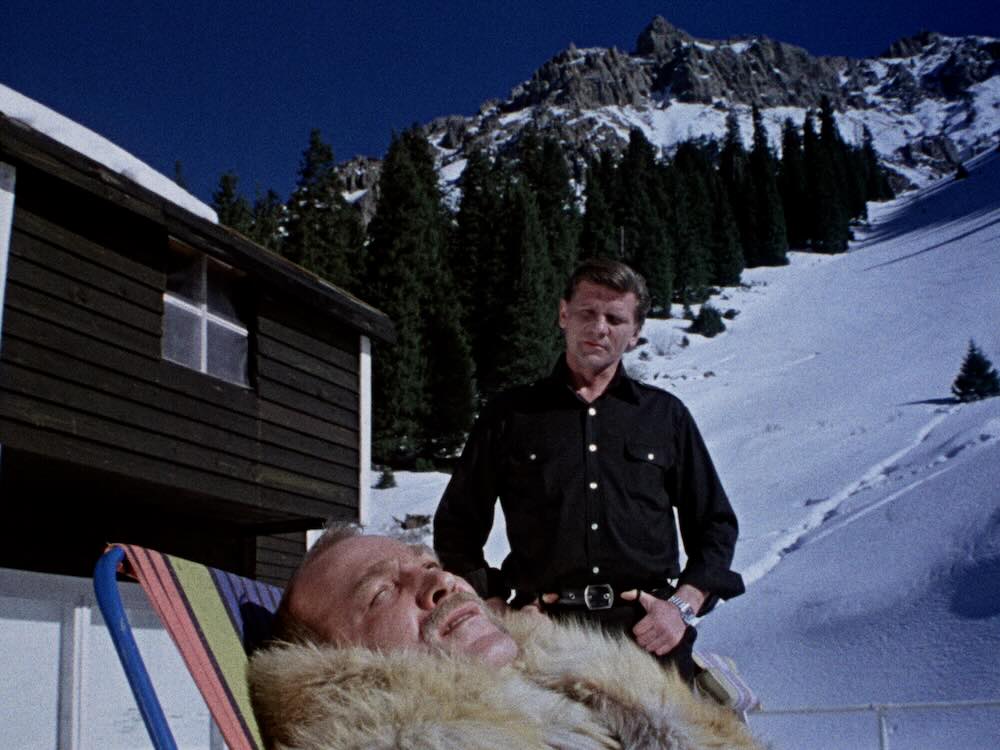
Friday 6 November, 8.40pm
Dead Mountaineer’s Hotel
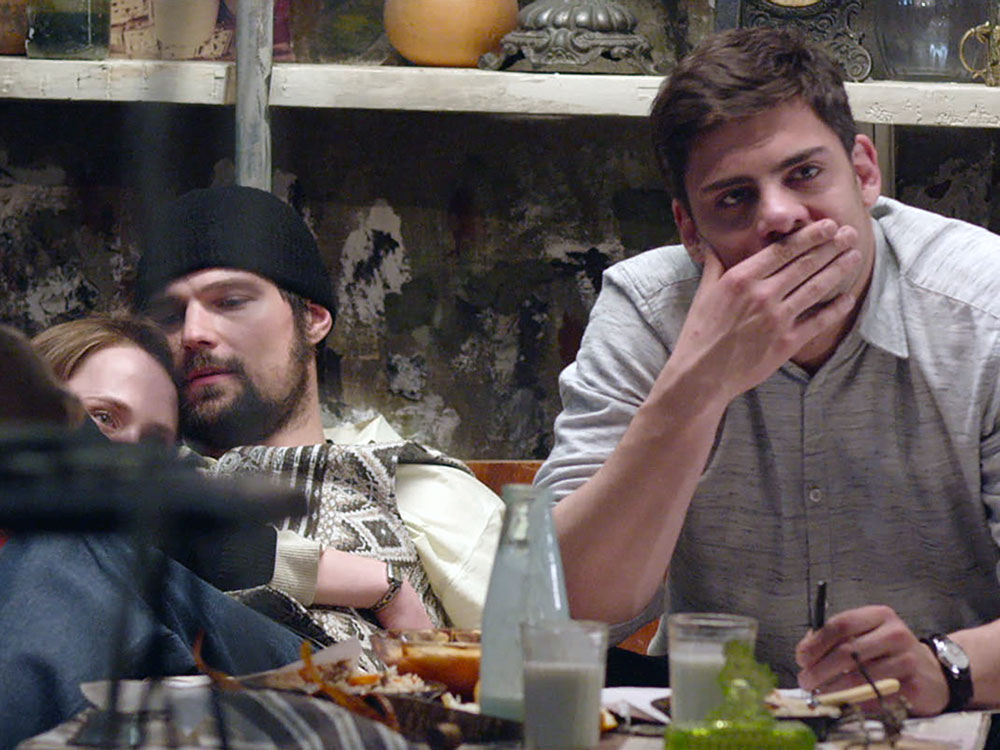
Based on the eponymous 1970 novel and released the same year as the most famous Strugatsky adaptation, Andrei Tarkovsky’s Stalker, Dead Mountaineer’s Hotel is more of a cult classic, a pulpy blend of noirish detective procedural and extra-terrestrial encounter tale.
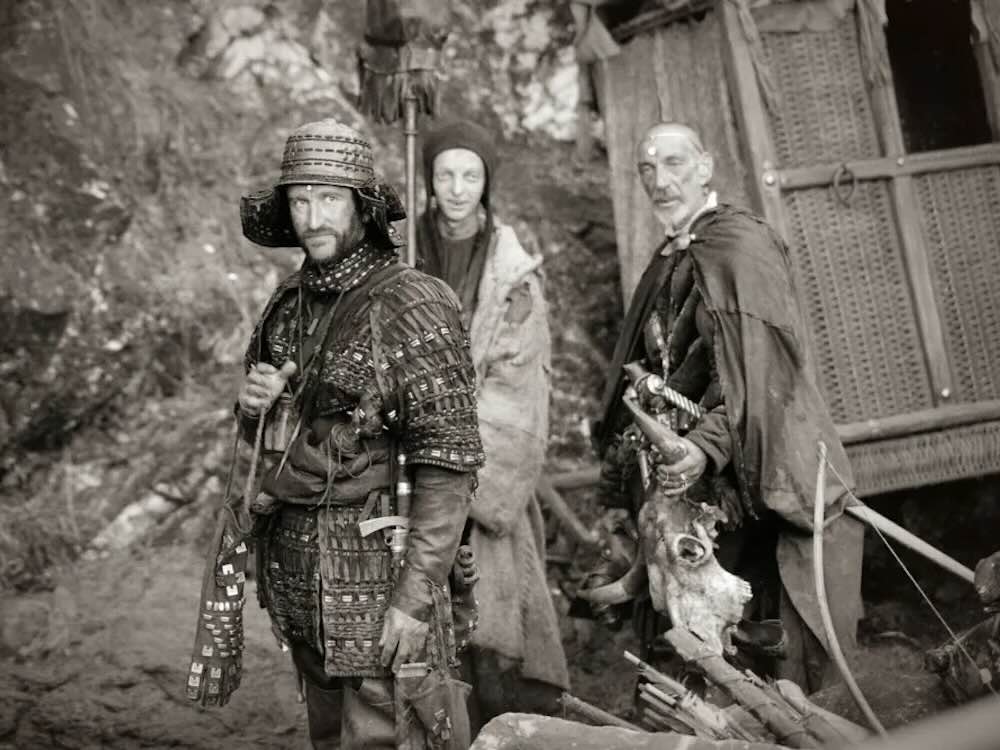
Friday 13 November, 7.30pm
Hard to Be a God
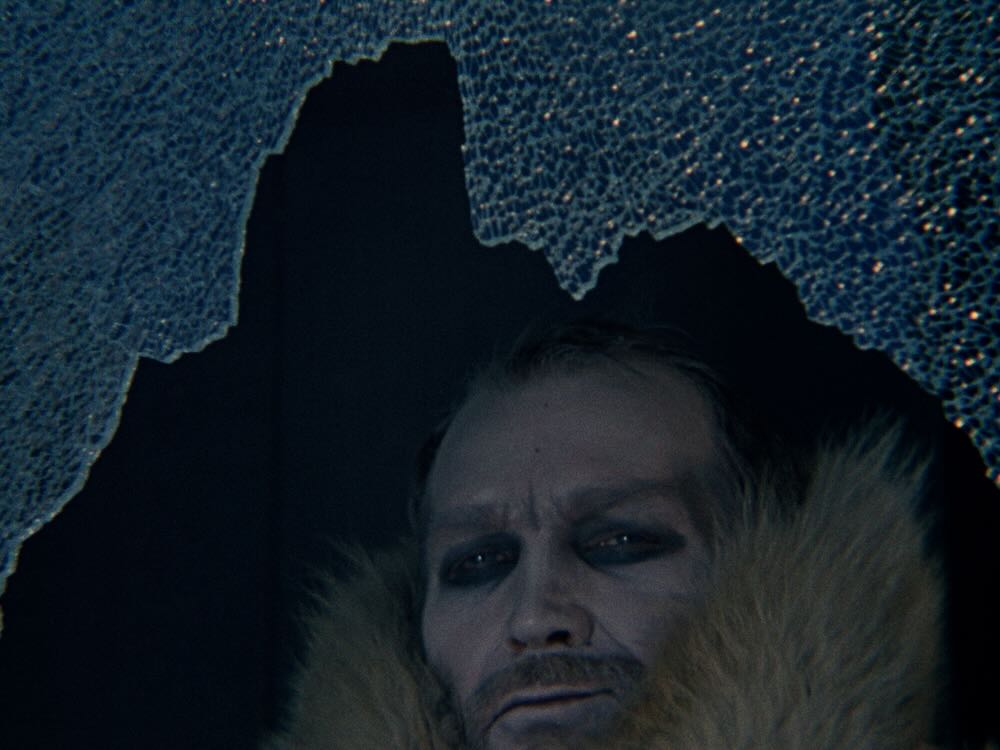
The final film from the great Aleksei German is an utterly singular cinematic experience. German spent 15 years working on this adaptation of the Strugatsky Brothers’ Hard to Be a God (1964), with the film completed posthumously by his son and widow. Leonid Yarmolnik is hypnotic as Don Rumata, a human scientist sent to observe events on the planet of Arkanar – a world analogous to Earth but stuck in a perpetual Middle Ages of superstition and brutality.
Friday 6 November, 8.40pm
Dead Mountaineer’s Hotel
Based on the eponymous 1970 novel and released the same year as the most famous Strugatsky adaptation, Andrei Tarkovsky’s Stalker, Dead Mountaineer’s Hotel is more of a cult classic, a pulpy blend of noirish detective procedural and extra-terrestrial encounter tale.
Friday 13 November, 7.30pm
Hard to Be a God
The final film from the great Aleksei German is an utterly singular cinematic experience. German spent 15 years working on this adaptation of the Strugatsky Brothers’ Hard to Be a God (1964), with the film completed posthumously by his son and widow. Leonid Yarmolnik is hypnotic as Don Rumata, a human scientist sent to observe events on the planet of Arkanar – a world analogous to Earth but stuck in a perpetual Middle Ages of superstition and brutality.