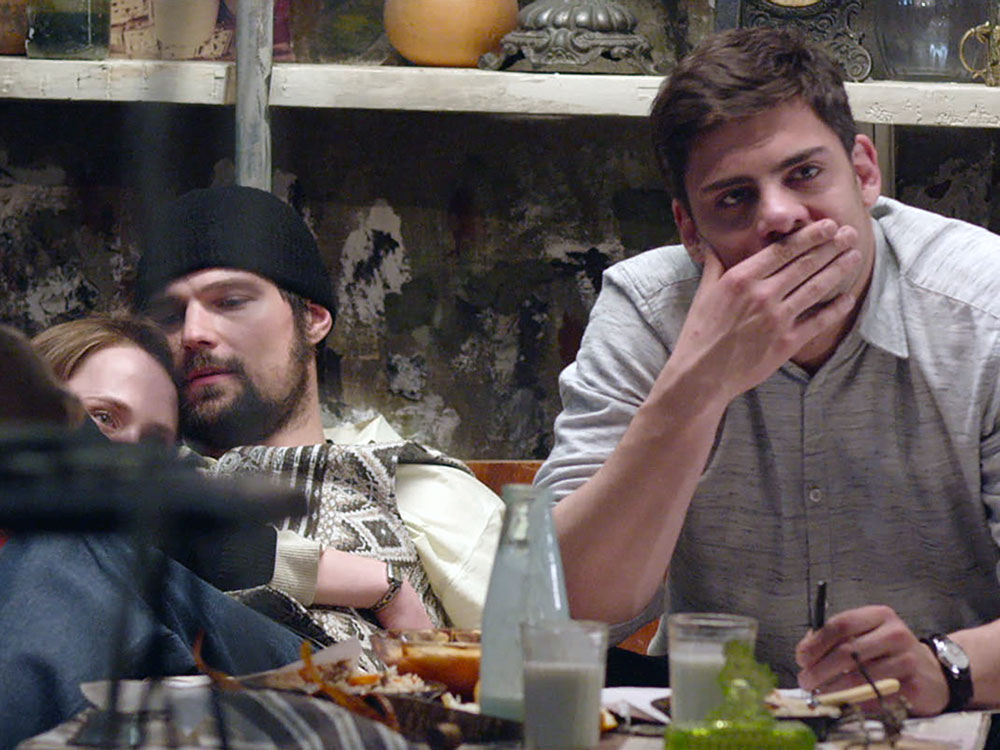
Stream all films and moving image works from the Frieze × ICA Artists' Film Programme, available worldwide from 12 October to 30 October.
Frieze and the ICA have curated a programme of artists’ film and moving image, coinciding with Frieze London 2026.
Artists:
Biogal
Dimitra Charamandas
Nina Davies
Kamil Dossar
Aziz Hazara
Khaled Jarada
Julia Kater
Ali Kazma
Djofray Makumbu
Anastasia Sosunova
Yuyan Wang
Programme Information
This programme brings together new and recent moving-image works by Biogal, Dimitra Charamandas, Nina Davies, Kamil Dossar, Aziz Hazara, Khaled Jarada, Julia Kater, Ali Kazma, Djofray Makumbu, Anastasia Sosunova, and Yuyan Wang. The selection highlights early-career and under-exposed artists, with works made within the last five years and drawn from proposals submitted by participating galleries.
Film Synopses
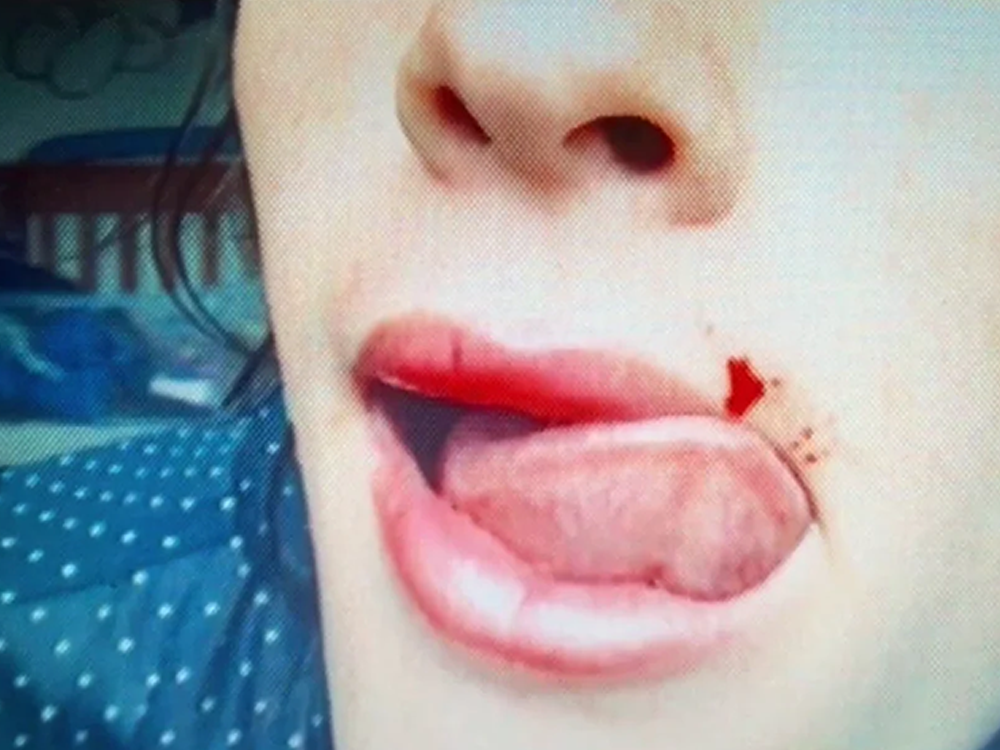
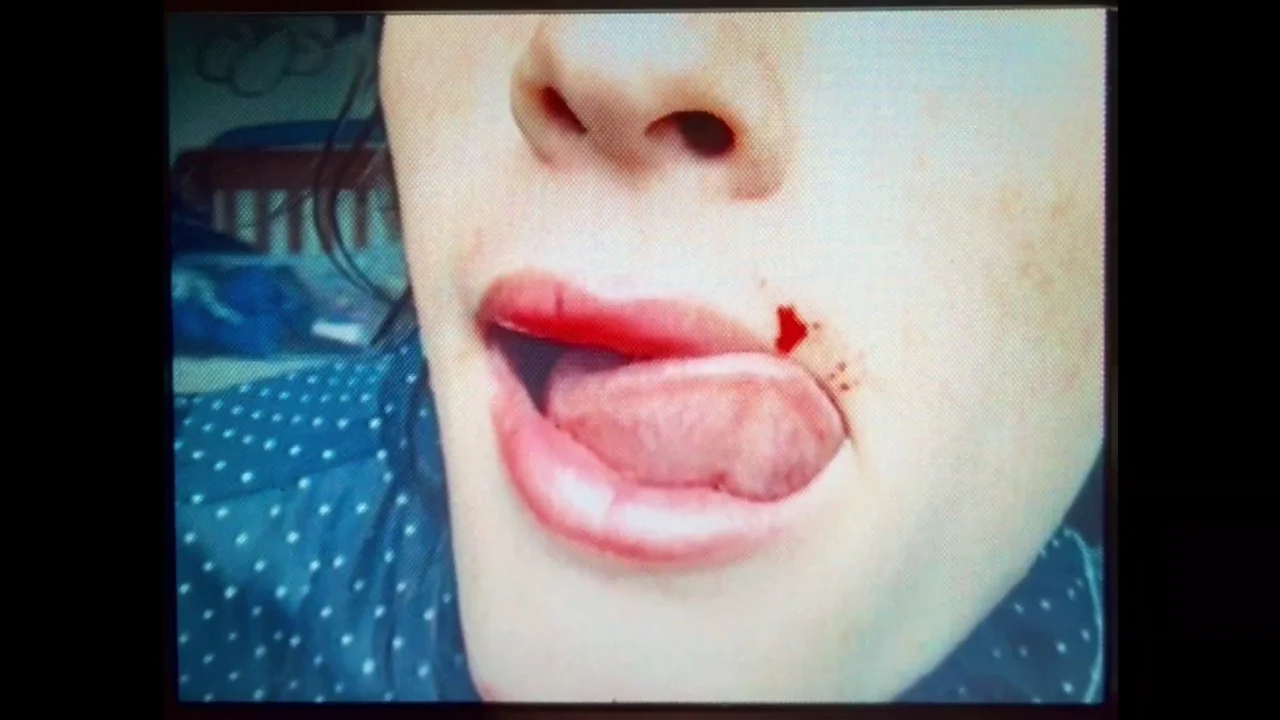
Biogal, sucking all the knobs in the house I grew up in (2025), 11 min 9 sec
Courtesy of the artist and Amanda Wilkinson, London
Filmed on her family’s old camcorder after a year of bereavement, Biogal returns to her childhood home to explore grief, sexuality, memory and the uncanny traces embedded in familial space. The work evokes the home as a site haunted by both personal loss and the artist’s developing sense of gender and identity.
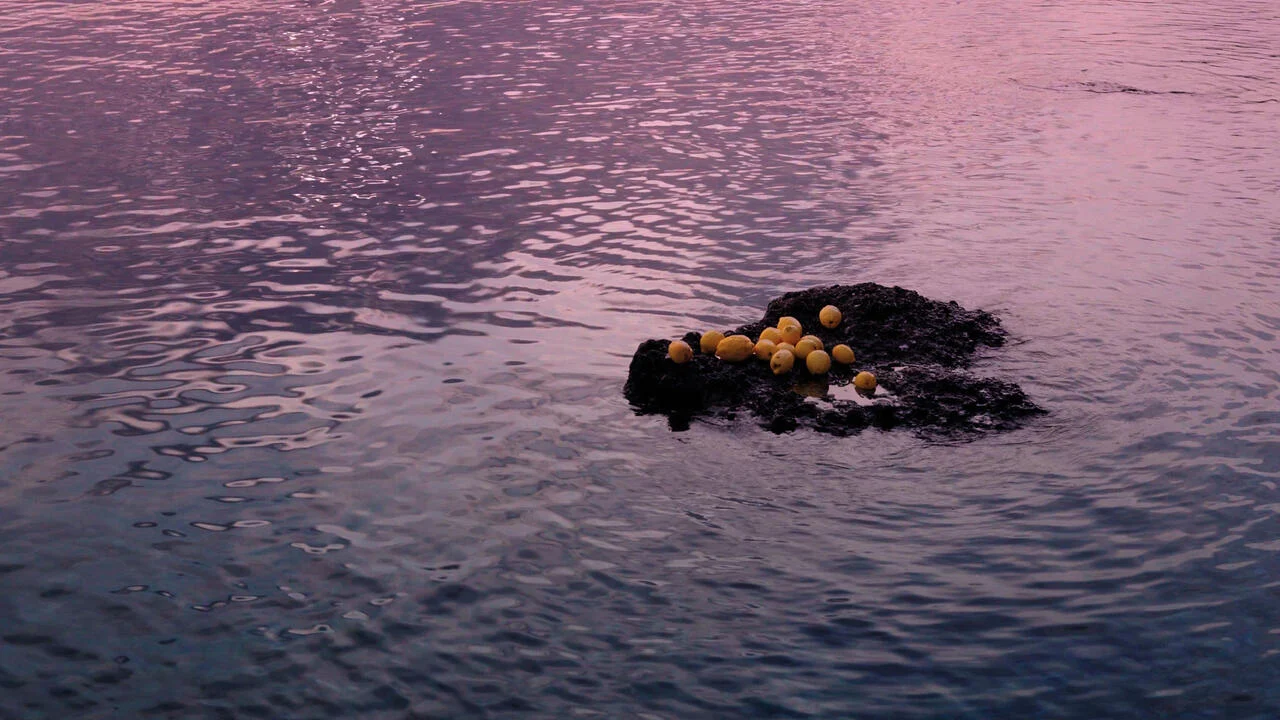
Dimitra Charamandas, in collaboration with Irene Trujillo, Luca Mengisen, and Julie Olympia Cahannes, Sun Burn (2023), 8 min 15 sec
Courtesy of the artists and Gypsum Gallery, Cairo
Shot during a road trip along the Greek Gulf of Corinth, Sun Burn observes human encounters with a landscape marked by heat, mineral extraction and bauxite-rich red earth. As daylight turns to night, the film considers the sun as a force of exposure and asks how we might relate to a landscape without seeking to possess it.
Nina Davies, Image Syncers (2025), 11 min 51 sec
Courtesy of the artist and Seventeen, London
Inspired by TikTok users mimicking AI-generated videos, Image Syncers imagines a future in which synthetic imagery changes how people communicate and understand reality. Framed as a fictional podcast interview about a break-in at a seed bank, the work explores image-syncing, perception and the changing relationship between language, images and bodies in an era of synthetic media.
Kamil Dossar, Fahrenheit (2026), 15 min 25 sec
Courtesy of the artist and Wschód, Warsaw
Dossar reflects on his own orientalist gaze towards post-war Iraq through memories of his father, a political refugee who studied Bach as a source of solace in Europe. Deepfake technology transforms human figures into reptilian beings, bringing together images of Iraq and the Western cultural authority associated with Bach to examine alienation, othering and cultural hierarchy.
Aziz Hazara, Eyes in the Sky (2020), 5 min 9 sec
Courtesy of the artist and Experimenter, Kolkata / Mumbai
Children play across an arid Afghan landscape while the camera observes them from above. Sounds of drones, helicopters, prayer and violence gradually emerge from the soundtrack, before an abandoned tank becomes part of the children’s game. The landscape carries layers of military history, violence, folklore and communal life, which the film brings into uneasy proximity.
Khaled Jarada, Dry Fire (2026), 1 min 47 sec
Courtesy of the artist and P420, Bologna
This looped animation alternates between two scenes to express the suspended condition of an artist from Gaza living in exile in Paris. Repetitive gestures embody the psychological and physical effects of experiencing ongoing violence from a distance. A destroyed phoenix monument in Gaza City becomes a recurring image of loss and the possibility of rebirth.
Julia Kater, Lhes (2021), 10 min 20 sec
Courtesy of the artist and Simões de Assis, São Paulo / Curitiba
Made from everyday objects found in an abandoned house in São Paulo, Lhes combines close-up images of domestic traces with fragments of letters exchanged between a Middle Eastern immigrant and a Brazilian woman between 1942 and 1946. The house becomes a witness to lives that have disappeared, while photographs, documents and objects are transformed into abstractions shaped by memory.
Ali Kazma, INKMAN (2025), 4 min 36 sec
Courtesy of the artist and Francisco Fino, Lisbon. Produced by Bozlu Art
Kazma documents the centuries-old production of sumi calligraphy ink at Kobaien studio in Nara, Japan. Focusing on craftsman Toshitsugu Okabe, the film follows the painstaking transformation of plant- and animal-based materials into ink sticks, emphasising repetition, skilled labour, time and the continuity of traditional craft.
Djofray Makumbu, Hello Mr Officer (2021), 21 min 21 sec
Courtesy of the artist and Bolanle Contemporary, London
Developed through a year of research, Hello Mr Officer examines the everyday experience of young Black men in London who are repeatedly subjected to stop-and-search policing. Combining archival material, smartphone footage and interviews, Makumbu connects contemporary policing with the history of Black British community filmmaking and considers surveillance, structural racism, memory and resilience.
Anastasia Sosunova, DIY (2023), 15 min 15 sec
Courtesy of the artist and eastcontemporary, Milan
The first film in Sosunova’s DIY empire trilogy examines the intersection of fandom, spirituality and entrepreneurial culture through Lithuania’s largest DIY retailer and its founder, who became a spiritual leader. A road-trip structure follows figures connected to the company, juxtaposing personal rituals and quests for knowledge with the larger systems of corporate and spiritual power surrounding them.
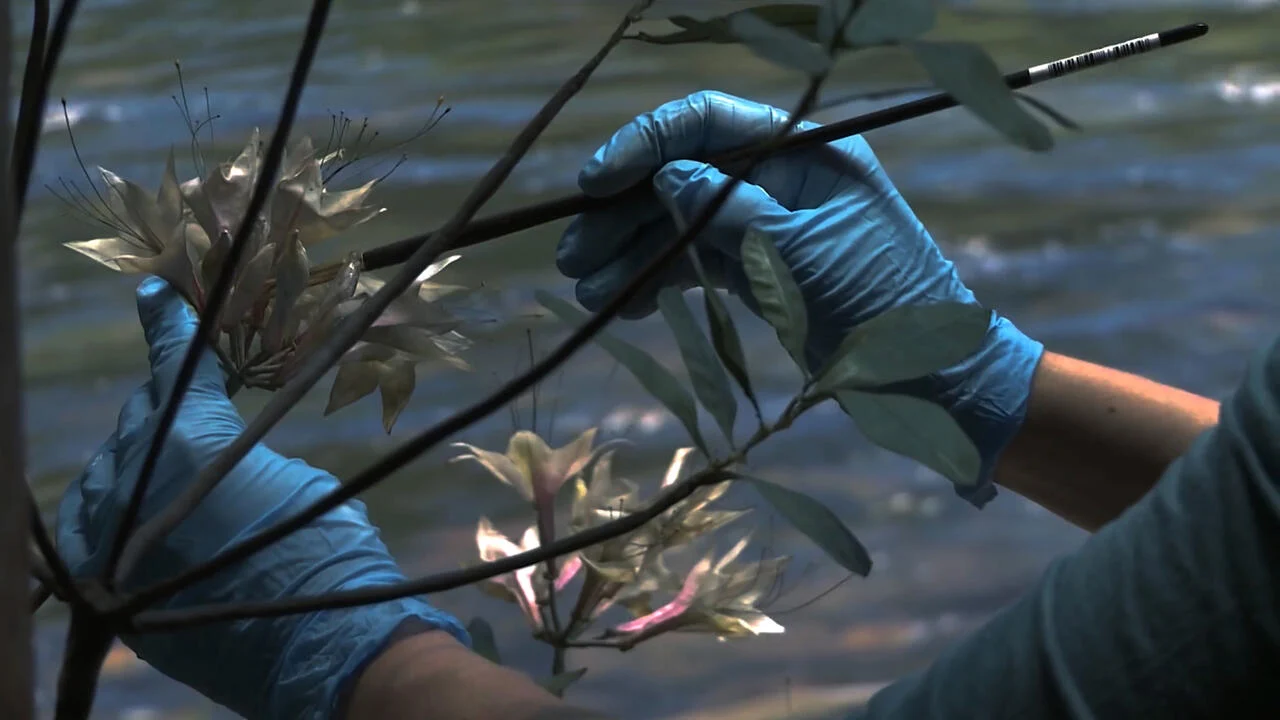
Yuyan Wang, Green Grey Black Brown (2025), 12 min
Courtesy of the artist and ROH, Jakarta
Wang moves through landscapes shaped by entertainment, urban development and extraction, from plastic production to manufactured versions of nature. Oil links these images as both material and memory, connecting contemporary petrochemical industries with deep geological time. The film examines the ecological consequences of treating technological control as a substitute for care.
This year's selection panel comprised May Adadol Ingawanij (Professor of Cinematic Arts, University of Westminster), Nicole Yip (Director, Spike Island, Bristol) and Claire Jackson (Senior Curator, Tramway, Glasgow). The works reflect the breadth of approaches to the moving image being explored by artists today.

Film Programme
Courtesy of the artist and Amanda Wilkinson, London.
Courtesy of the artists and Gypsum Gallery, Cairo.
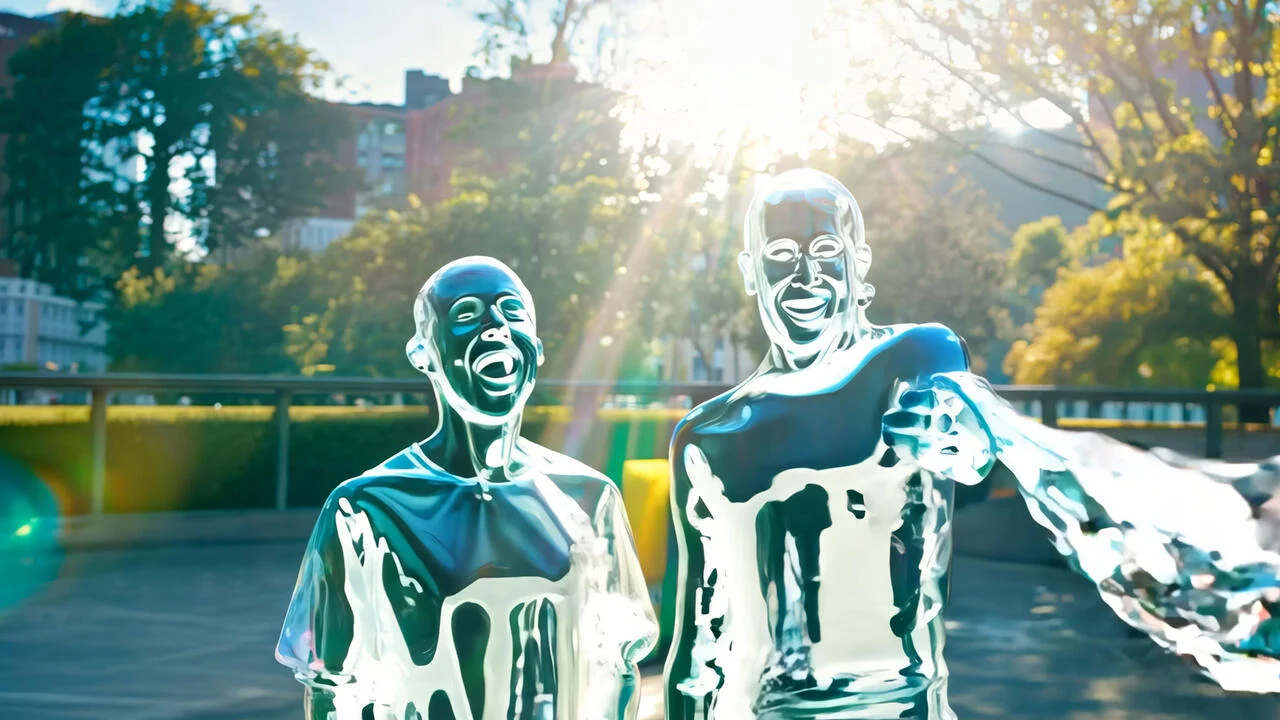
Courtesy of the artist and Seventeen, London.
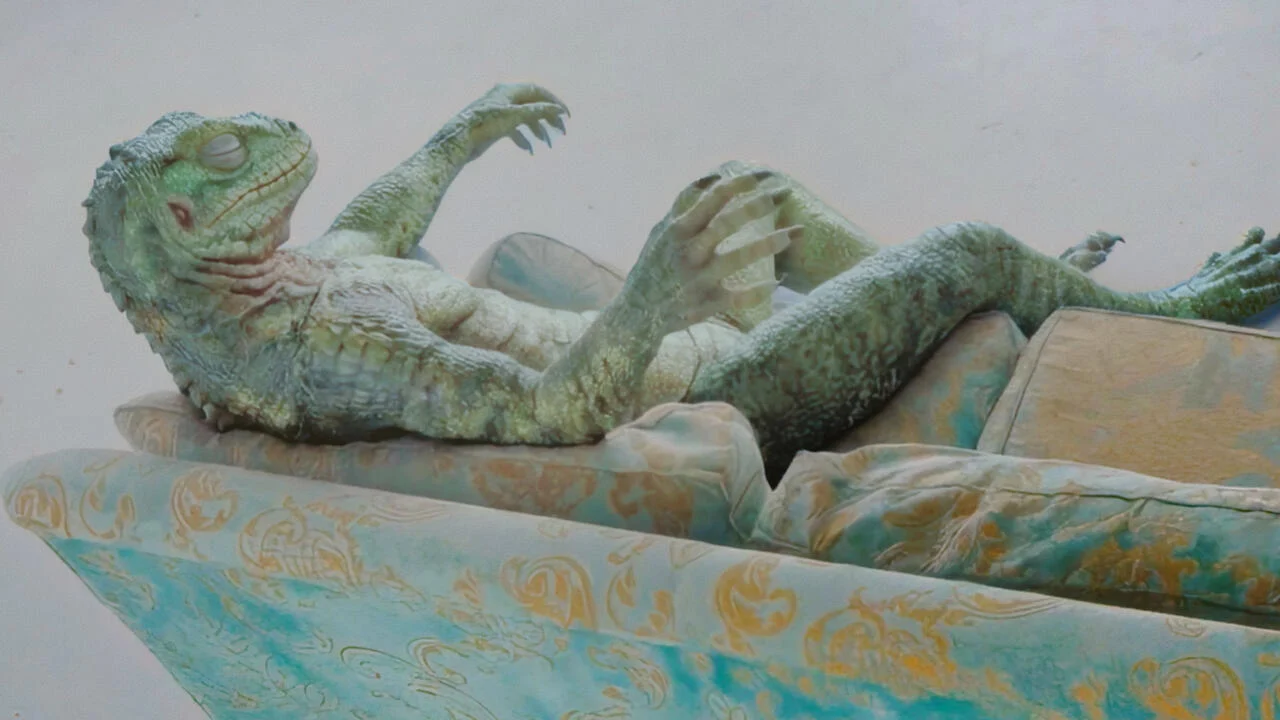
Courtesy of the artist and Wschód, Warsaw.
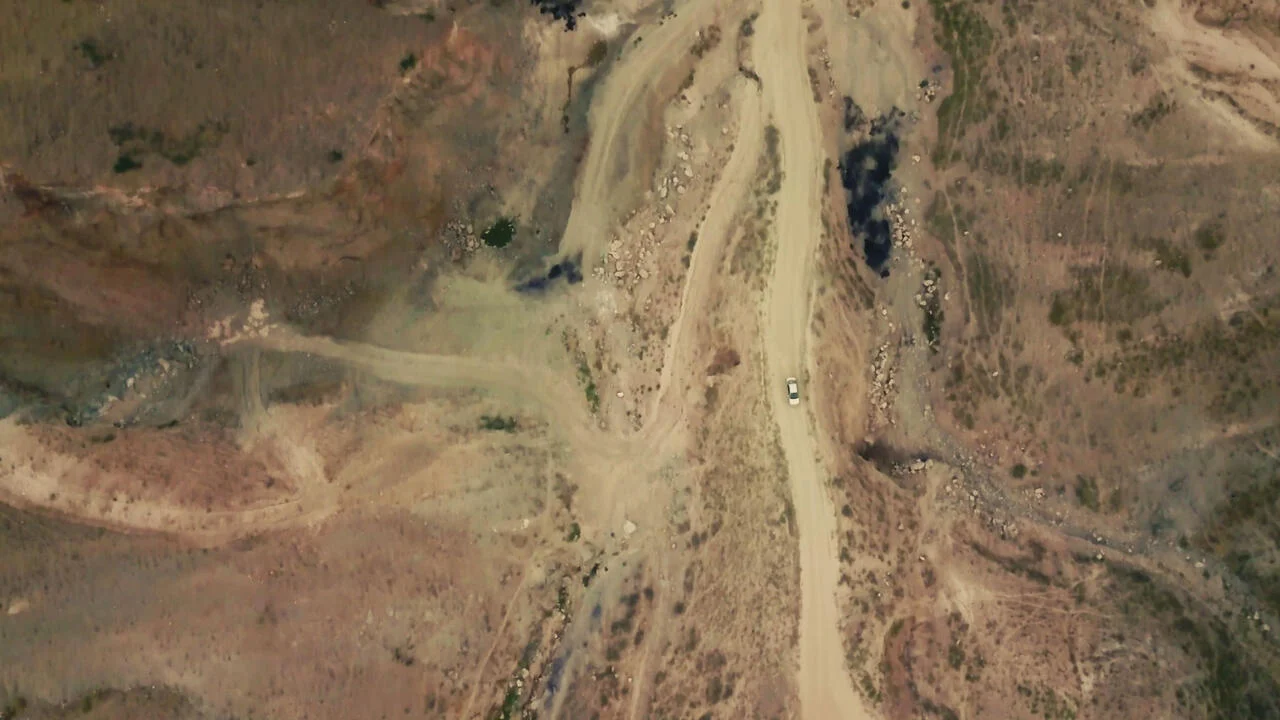
Courtesy of the artist and Experimenter, Kolkata / Mumbai.
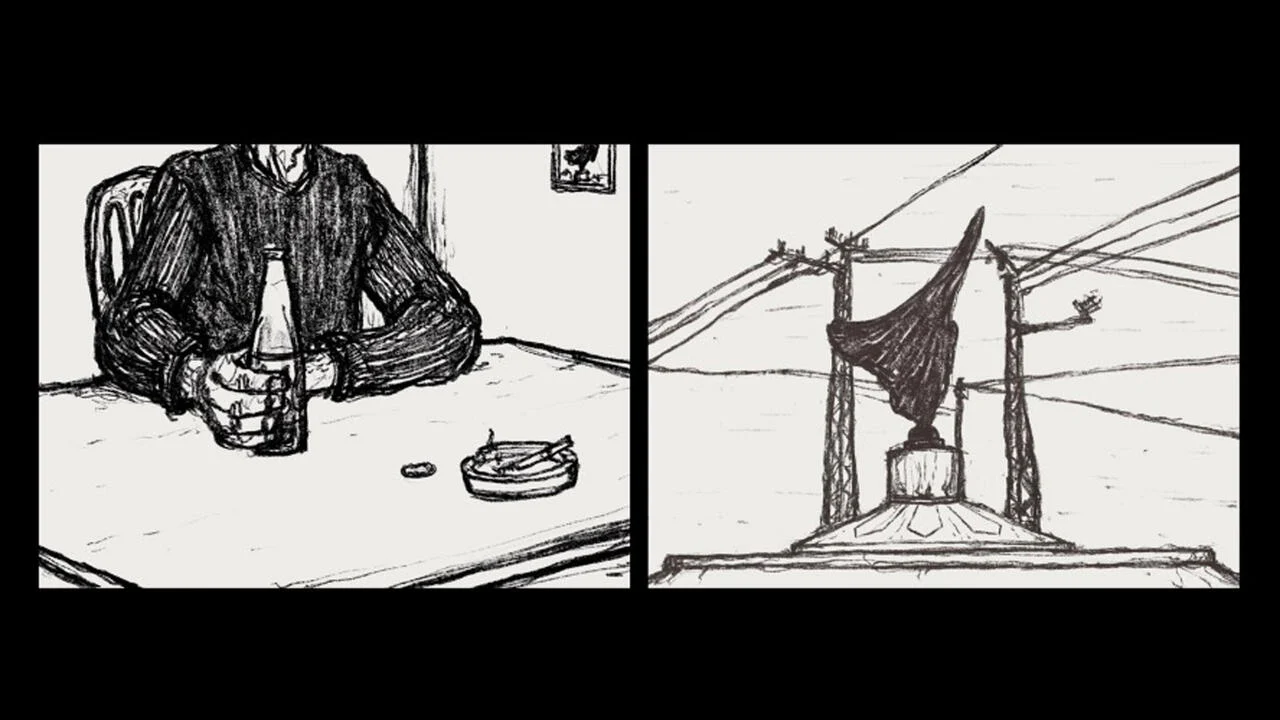
Courtesy of the artist and P420, Bologna.
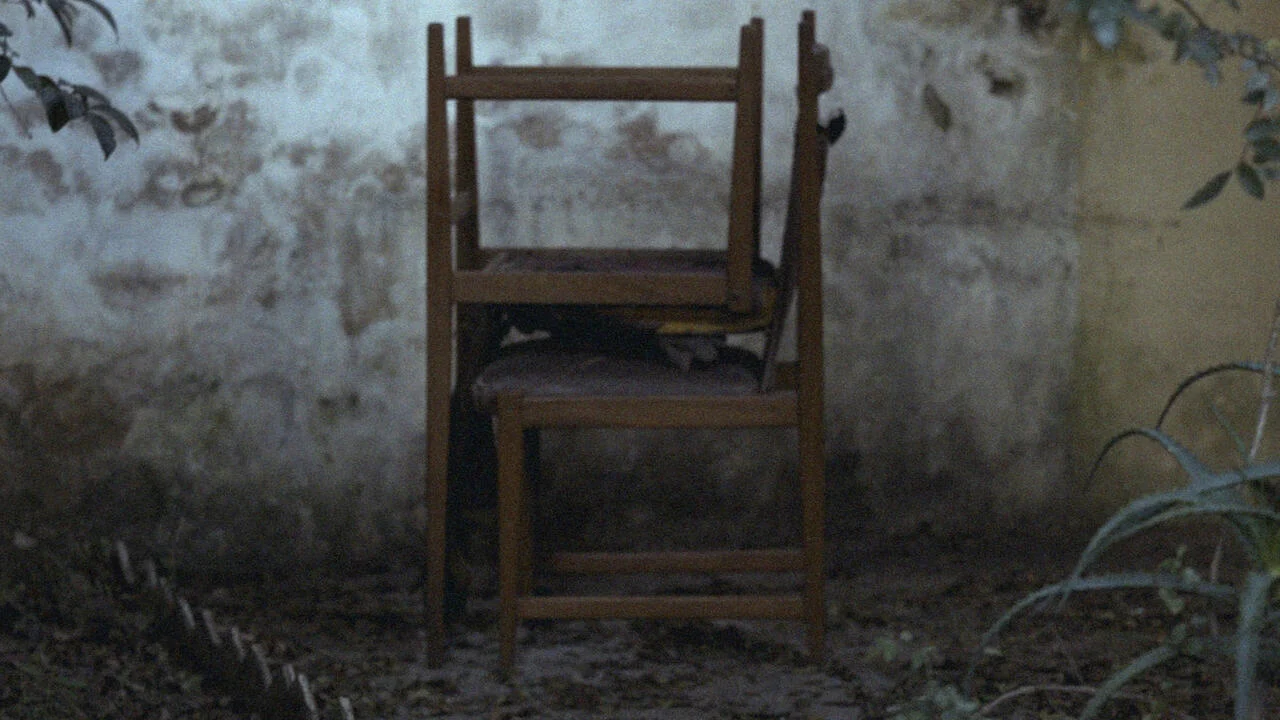
Courtesy of the artist and Simões de Assis, São Paulo / Curitiba.
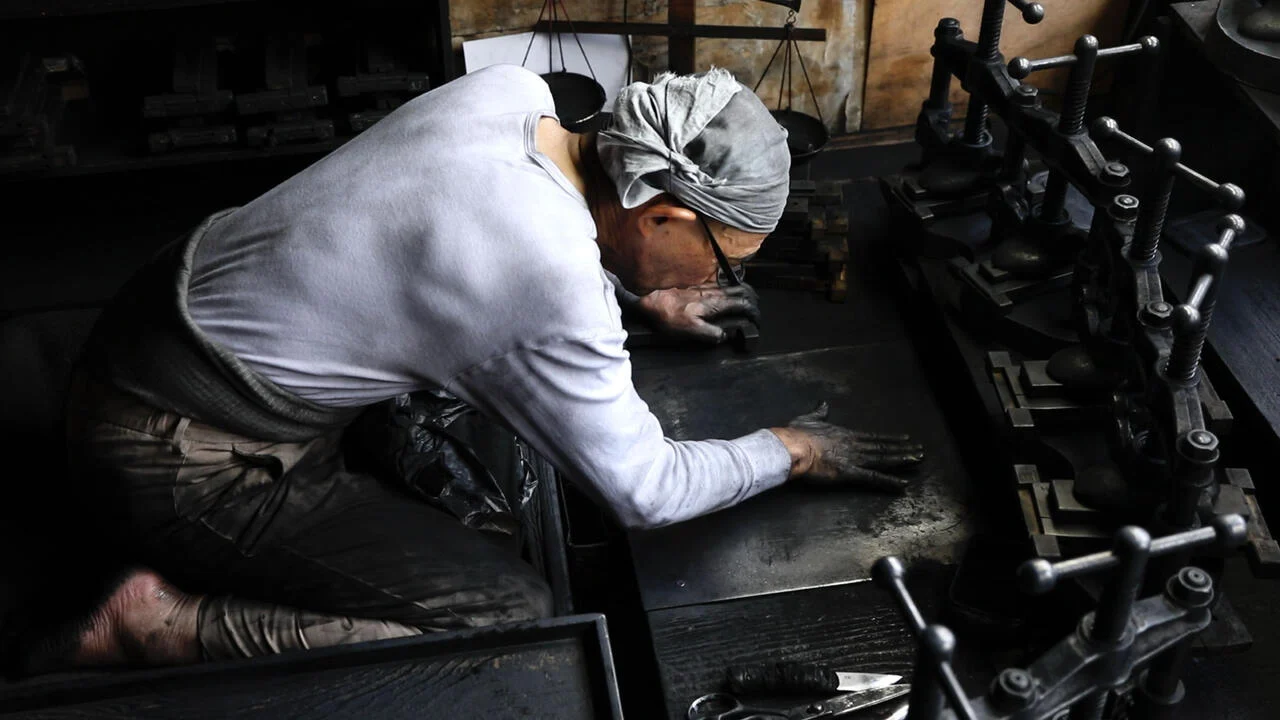
Courtesy of the artist and Francisco Fino, Lisbon. Produced by Bozlu Art.
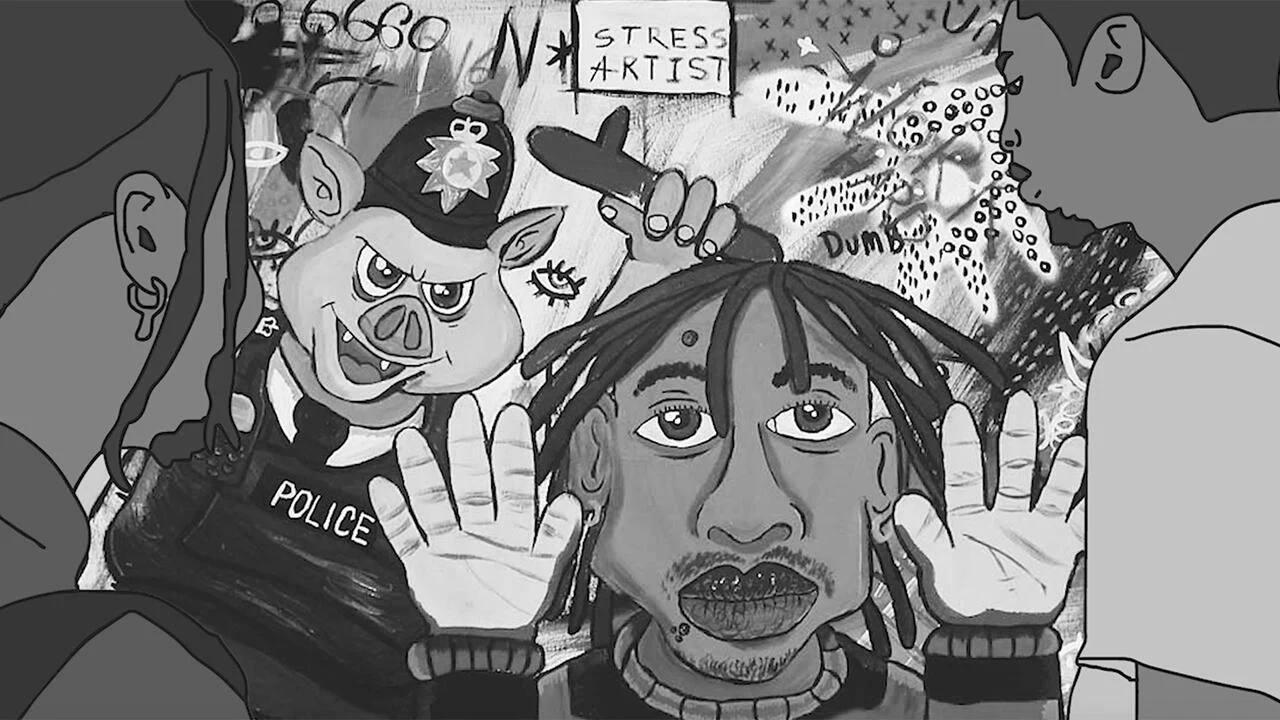
Courtesy of the artist and Bolanle Contemporary, London.
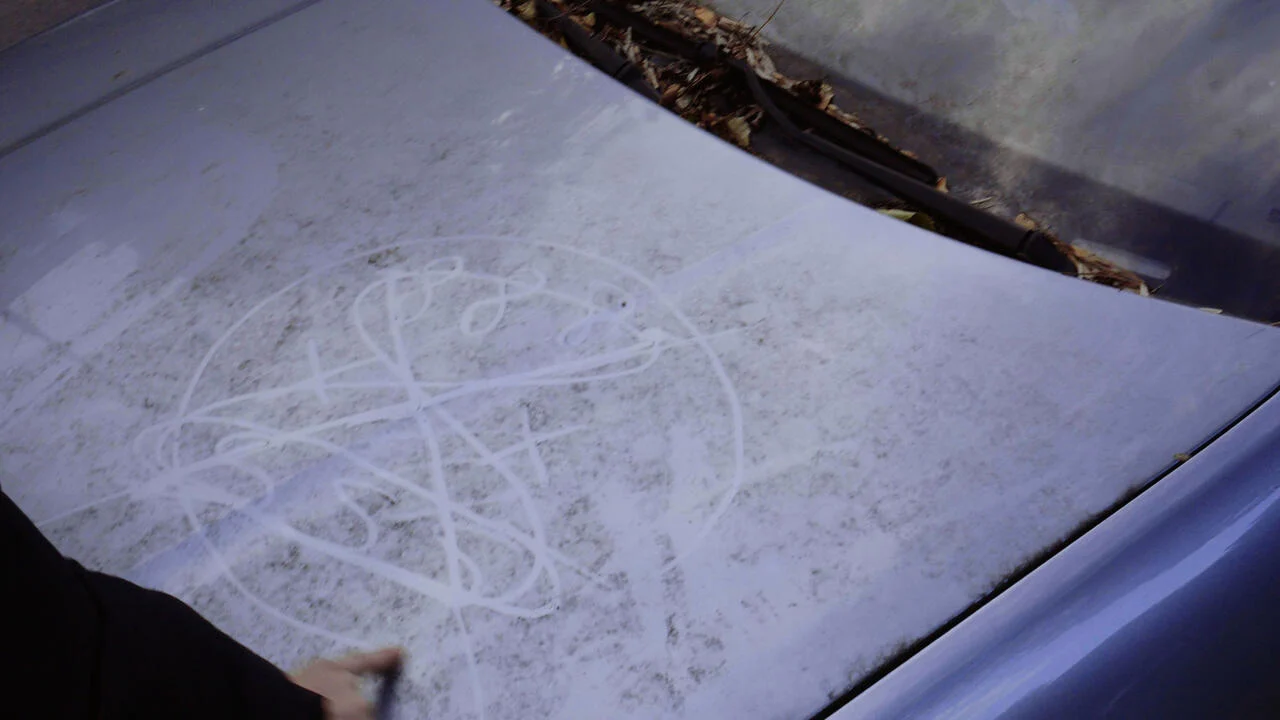
Courtesy of the artist and eastcontemporary, Milan.
Courtesy of the artist and ROH, Jakarta.